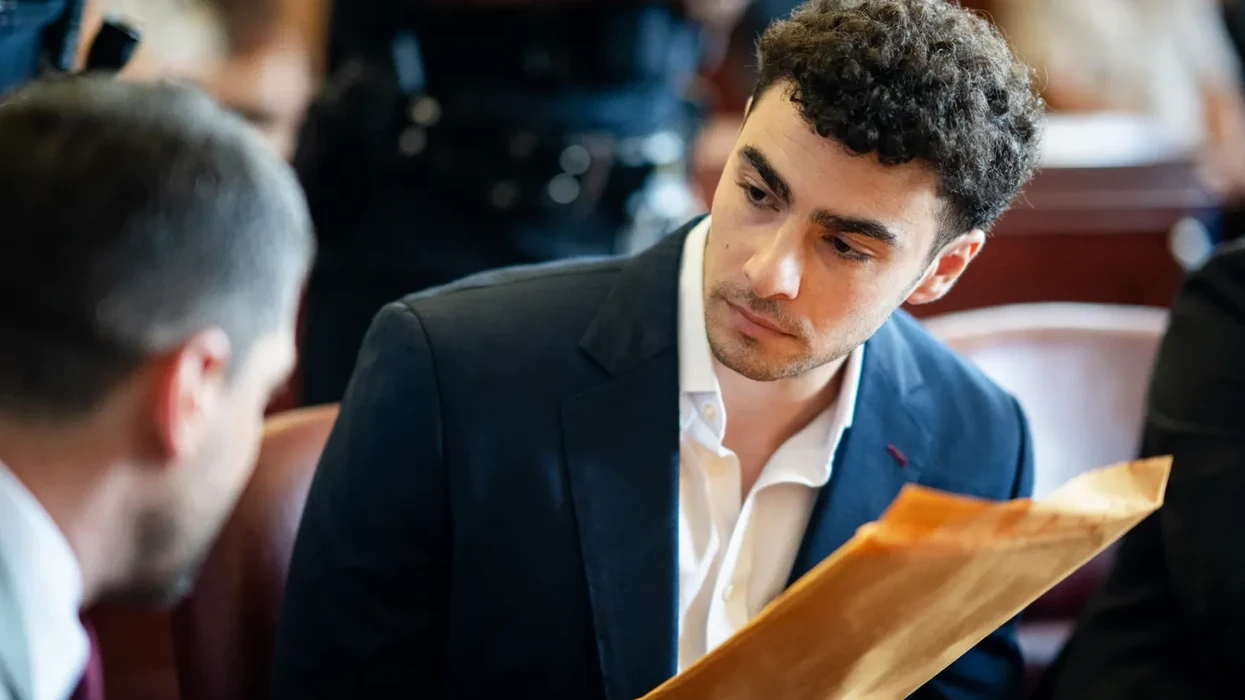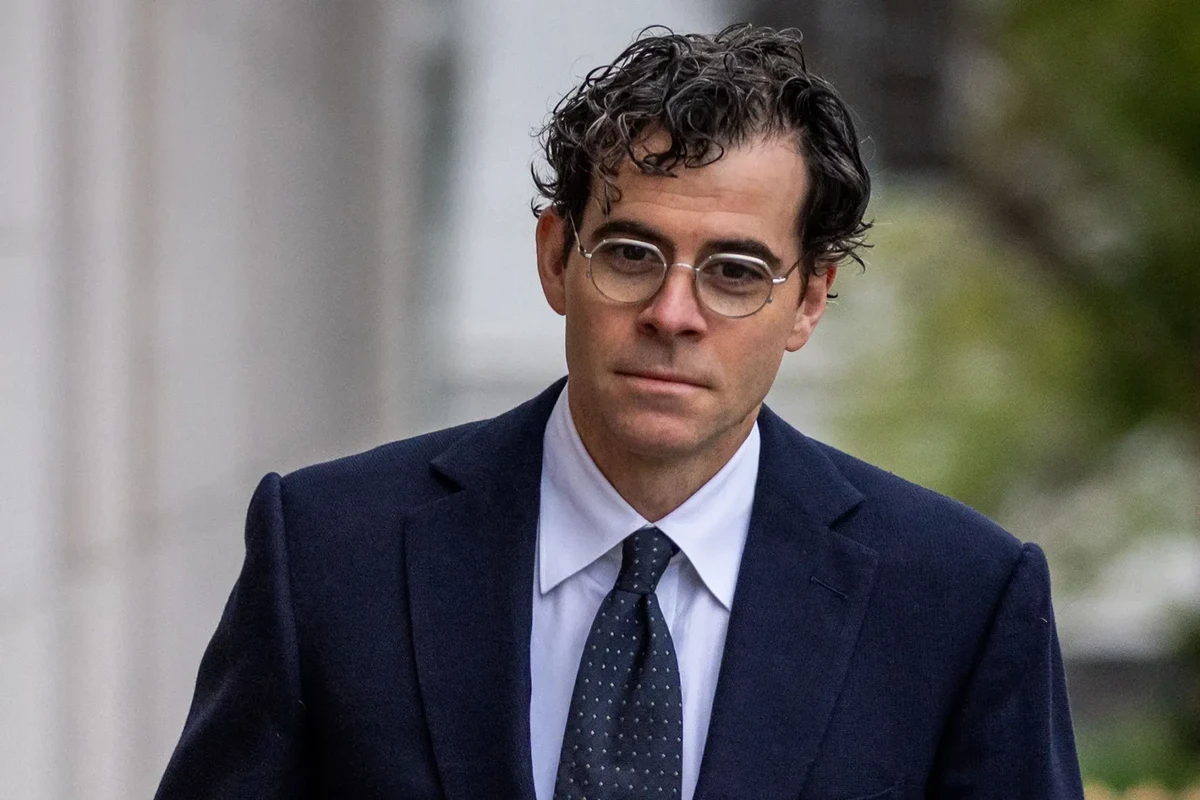

Adam Mosseri, the head of Instagram, appeared in a Los Angeles courtroom Wednesday as an “adverse witness” in a landmark trial over claims that Meta’s Instagram and Google’s YouTube functioned as “digital casinos,” dispensing dopamine-driven rewards to keep children scrolling despite known risks.
Minutes after taking the stand, he was confronted with remarks from a podcast interview he gave in March 2020 where he said, “There’s such a thing as being addicted to a social media platform.” Mosseri told jurors he had misspoken. “Clearly, I wasn’t careful with my words during that podcast,” he testified in the packed courtroom in downtown Los Angeles. “Sometimes I make mistakes.”
After revealing he’s received more than $45 million in compensation since joining Meta in 2008, Mosseri told jurors he believes there’s “such a thing as using a social media platform more than you feel good about.” But he considers such behavior “problematic use,” not a “clinical addiction,” he said.
The testimony marked the first time Mosseri, one of Meta founder Mark Zuckerberg’s most trusted lieutenants, answered questions under oath in a civil trial tied to the thousands of personal injury lawsuits filed against social media companies over the past four years. The bellwether case centers on a single plaintiff, a 20-year-old California woman identified as K.G.M., who alleges that design features on Instagram and YouTube left her addicted to the platforms as a child and caused her to suffer harms including anxiety, body dysmorphia, self-harm, and suicidal thoughts.
Over several hours of questioning, Mosseri, 43, remained soft-spoken and composed. He admitted he didn’t “particularly like” Facebook’s once-prominent “move fast and break things” motto, saying he prefers the phrase “slow is smooth and smooth is fast.” The married father of three also highlighted what he described as the company’s emphasis on safety, pointing to parental-control settings that allow “hard” limits on daily use and blackout periods for kids.
At times, however, his testimony grew tense, particularly under questioning from the plaintiff’s lawyer, Mark Lanier, about internal emails from late 2019 through April 2020. In those messages, Margaret Gould Stewart, then Meta’s vice president of product design, sought support for an initiative to permanently “disallow” so-called beauty filters that let users change physical features such as their noses and lips.
Mosseri said the proposal prompted extensive internal debate. “We tried to draw a line at only allowing effects you could recreate with makeup,” he testified. “In practice, we had trouble defining that line.”
Other emails displayed to the jury showed Andrew Bosworth, Meta’s chief technology officer, writing that Zuckerberg might want to review the proposal before implementation, citing concern about whether there was sufficient data demonstrating harm. John Hegeman, then a senior executive, questioned whether the company’s approach was too focused on the United States and warned that a blanket ban could limit competitiveness in Asian markets, including India. Bosworth later wrote that while filters encouraging plastic surgery went “too far,” he was wary of taking “too aggressive a stance.”
“I share your desire to take a leadership position, and I find the research compelling,” Bosworth wrote. “However, I worry if we’re too severe in denying users something for which they have demand, then all we will do in practice is move them into other apps which aren’t likely to be as restrained.”
Mosseri wrote in follow-up emails that he generally agreed with Hegeman, though he suggested framing the argument differently. In March 2020, he supported an option that would reverse the company’s temporary ban on all beauty filters while keeping the most extreme ones out of recommendations. Ultimately, the company reinstated most filters but maintained a ban on those deemed to promote plastic surgery.
In response, Gould Stewart wrote directly to Zuckerberg in an April 2020 email shown to the jury. “I don’t think it’s the right call given the risks,” she wrote. “As a parent of two teenage girls … I can tell you the pressure on them and their peers coming through social media is intense with respect to body image.”
Lanier pointed out that not only did Instagram reinstate most filters, but that Mosseri had aligned with executives who supported restoring all of them while taking steps to limit the visibility of the most problematic ones. Lanier accused Mosseri of putting profit ahead of young users.
“I’m telling you with full conscience that I was never worried about any of this affecting our stock price,” he testified. “I was concerned about [teen well-being]. I was trying to balance all the considerations. I agree with where we ended up, which was not allowing any filters that promote [plastic surgery].”
Mosseri said it’s possible he “misread” a prior email before appearing to adopt the option to reinstate all filters. “I got a lot of emails about this. This was one of them. Clearly, I can see what I wrote here, but I [also] see where we ended up. And I stand by where we ended up.”
He said his job is to be concerned about “both the upsides and the downsides” of any decision. “We want to be careful about banning things because people get really upset. They feel they’re being censored, and they get really angry about that,” he told the jury of six men and six women.
“I believe it’s our responsibility to keep people safe, particularly minors,” he testified. At the same time, “We’re trying to be as safe as possible but also censor as little as possible,” he added.
As Mosseri testified, Lori Schott, a Colorado mother with a pending lawsuit against Instagram, wept in the courtroom gallery. Her 18-year-old daughter, Annalee, died by suicide in November 2020 after she was allegedly inundated with content related to disordered eating, self-injury, and suicide.
“Anna’s life played out in that courtroom today. Every email threw me back to her story. It was gut-wrenching,” Schott told Rolling Stone after she left the courthouse during the lunch break Wednesday. “They knew that what they were doing harmed so many girls who will struggle for the rest of their lives. It’s there in black and white in the emails. They added the features tactically. That was hard to see. It matched Anna’s story to a T. I remember driving her home with her senior class photos, and she said, ‘That can’t be me. They’re too pretty.’ That kept playing in my mind in the courtroom. They had an ability to put a stop point, and they didn’t.”
The trial is expected to continue through the end of the month, with Zuckerberg scheduled to testify next week. K.G.M. is also expected to take the stand. Her lawsuit was selected as a representative case to help establish standards for evidence and procedure in subsequent trials. Its outcome will not be binding on the other cases.
At the end of his testimony Wednesday, Mosseri was asked a final question about the contention that Meta hasn’t done enough to protect kids. “I want to be really clear. I think the world is changing increasingly quickly, and Instagram needs to change along with it to stay relevant,” he said. “So you will always be able to, at any point, look back over a couple years and point out features that didn’t exist before. We’re going to always try to improve and launch new features. Honestly, I feel that’s something I’m proud of, innovating and improving ways to try to keep teens, to give teens a positive experience on the platform.”



 Nick Wilde from Zootopia greets fans during the Magic Kingdom parade. Kenslie McGuire