

Over the past few years, with the rise of the social-media marketing ecosystem, the word “authenticity” has been increasingly integrated into the pop culture consciousness. As used by brands in pitch meetings and slide decks, it’s an ineffable commodity possessed by a rarified few in the creator space who seem to start trends, rather than follow them. According to brands, it’s the reason why followers connect with certain influencers — not, as one would otherwise suspect, because of their predilection for posting bikini photos or selfies with rappers and NHL players.
It is generally agreed upon by anyone who is not compensated for working in the social media space that this is bullshit. As Tina Fey famously put it on the podcast Las Culturistas, true authenticity is “dangerous and expensive.” No one actually wants to hear what a FashionNova brand ambassador with 2.5 million followers thinks about the Biden administration’s Middle East policy. No one actually wants to see an middle-aged mother of four review a $500 under-eye cream that says it removes dark circles and doesn’t. And while creators may pay occasional lip service to terms like body positivity and mental-health awareness and LGBTQ pride with lengthy Instagram captions, such terminology tends to mysteriously disappear from the timeline the moment a brand activation ends. Authenticity is not a desirable commodity for most social media influencers — except, possibly, for Richard Simmons.
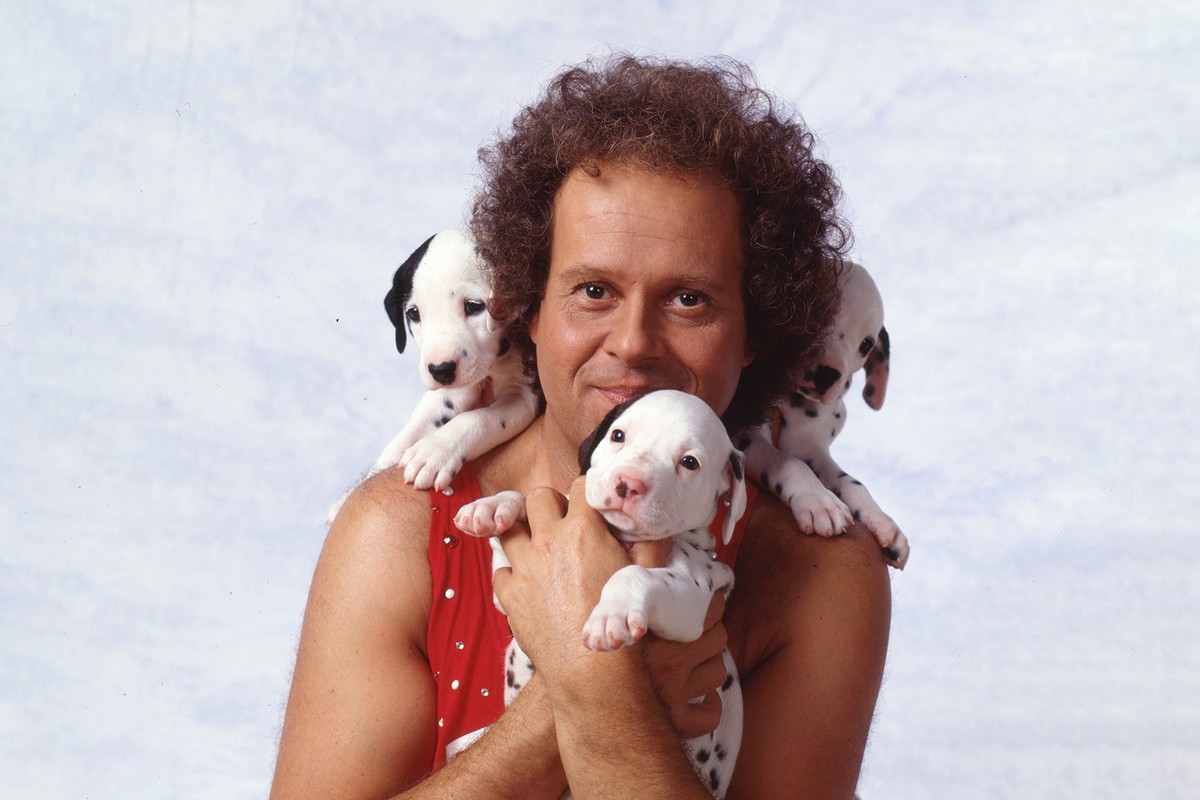
Richard Simmons, the oft-parodied fitness guru who died on Saturday at the age of 76, is not typically considered an influencer, but that may be exactly what he was. He was a peculiar-looking individual who did not possess any obvious physical gifts or monetizable talents, except for the strength of his own personality, which was incredibly weird and idiosyncratic and perpetually, sometimes gratingly, optimistic. He was one of the first people who was able to build an empire off being himself, and unlike most contemporary influencers, you got the sense there was no other setting that he had, no other way he could truly be. People saw that if an effeminate, shrill, not-conventionally attractive middle-aged man could find a way to truly love himself in an obsessively materialistic and image-conscious society, then we could find a way to love ourselves as well. That is why he was so relentlessly and viciously mocked and parodied — but it’s also why he was so adored.
As a child of the Nineties, I knew about Richard Simmons long before I knew who he was and what he actually did. He occupied a space in my prefrontal cortex that is, for small children, typically reserved for celebrities like your teacher or Barney the Dinosaur or the president; I knew he was important even if I couldn’t have explained why or how, just because he was absolutely everywhere. He was on General Hospital, the soap opera my babysitter watched after I got home from kindergarten; and in Dinosaurs and Honey, I Blew Up the Kid and Addams Family Values and constant infomercials. He was the very first person I probably could have told you was “famous for being famous.”
This is not an entirely fair assessment: Simmons was an activist and fitness entrepreneur who first became famous in the 1970s, when his Los Angeles gym Slimmons became a safe space for those who fell outside the Hollywood aesthetic norms. But it’s true that he’s probably better known for being an omnipresent pop culture presence than anything else. Richard Simmons wasn’t an actor or a model or a musician or an author or an athlete. He was a personality in the truest sense of the word, someone who built a career not so much on talent or skill or drive or sex appeal, but on the sheer strength of their likeability and weirdness. In the hyper-image-conscious 1980s, the era in which he rose to prominence with his eponymous TV show and line of aerobics videos, he was an anomaly: frizzy-haired, overweight, not particularly stylish. But this was precisely why his videos, which featured people with an incredibly diverse range of body types doing his workouts, were such a hit.
Richard Simmons wasn’t for the yuppies and strivers, people who wanted or were able to embody the taut-tummied, plasticine-reared Suzanne Somers aesthetic. It was for normies — working moms, fly-fishing dads, closeted 12-year-olds — who wanted to lose a few pounds but knew they had more important things to think about than how to get the perfect ass. He didn’t influence people in the sense that he tried to get them to buy his books or VHS tapes sharing some elusive secret to losing weight or finding self-acceptance. He didn’t get famous by monetizing others’ self-hatred, but on their capacity for self-love. If he could look the way he did and act the way he acted and be relentlessly and viciously parodied by Jim Carrey on In Living Color or Howard Stern or Family Guy, and still come out on the other side accepting himself for who he was, then so could you.
It’s very likely that Simmons did not always feel this way. Though he took most of the mockery in stride, he would occasionally fight back at people like Stern when his feelings were particularly hurt, and in the last decade of his life he seemed to struggle with depression, bursting into tears or becoming overcome with emotion during public appearances. For reasons that are still not entirely clear (a combination of physical and mental health issues seems to be the likeliest explanation), Simmons withdrew from public life in 2014, fiercely guarding his privacy and refusing to provide anyone an explanation. In 2017, at the height of the true crime podcast boom, a former friend and Slimmons gymgoer, Dan Taberski, released a podcast called Missing Richard Simmons. Some criticized it as exploitative, believing that if Simmons wanted to disappear, he had more than earned the right to do so on his own terms. Because what Taberski failed to understand is that Simmons knew one thing, arguably better than most other influencers on the internet today: he knew when it was time to log off. And saying goodbye when he felt like he could no longer pretend to love himself the way he told others to love themselves was probably the most authentic thing he ever did.




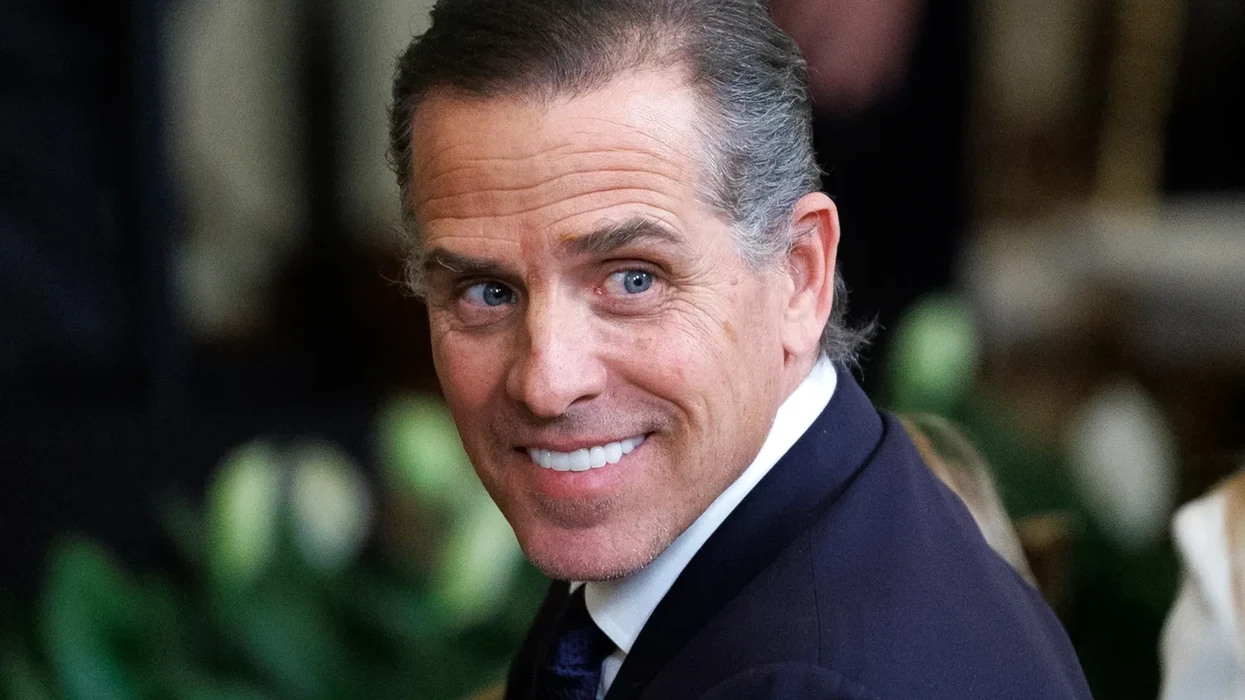
 David Manheim and Hunter Biden Courtesy of David Manheim
 Koko checks a tracker map for Flock locations. Jack Crosbie for Rolling Stone
 Flock surveillance cameras can be seen in a northern Virginia neighborhood. Jack Crosbie for Rolling Stone
 Inside Koko’s home, a Pelican case is full of electrical gear. Jack Crosbie for Rolling Stone
 Flock camera will take photos of pedestrians even at night. Jack Crosbie for Rolling Stone


Goodbye to Richard Simmons, the OG Influencer