Skip to content
Search

Billy Bass Nelson, Parliament-Funkadelic Bassist, Dead at 75

Musician, who co-founded the Parliaments with George Clinton, coined the name ‘Funkadelic’

Billy Bass Nelson, Parliament-Funkadelic Bassist, Dead at 75

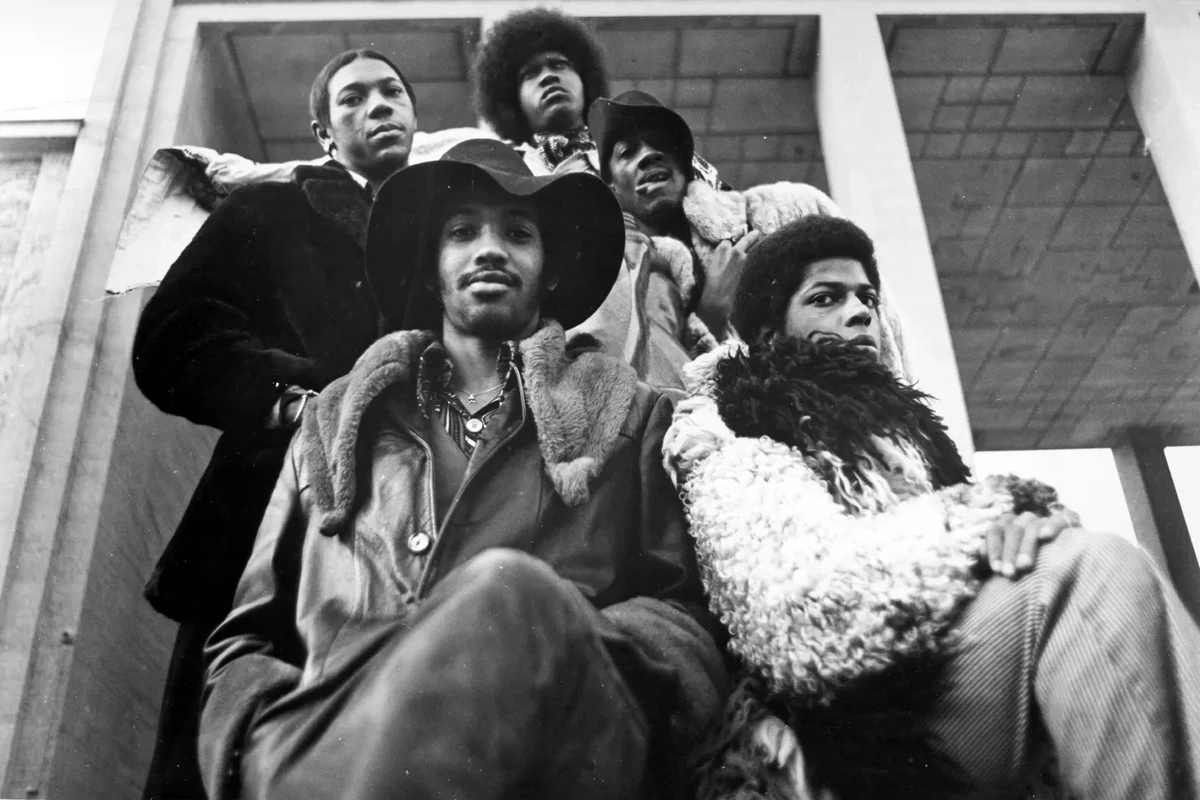
Parliament-Funkadelic, 1971: (Clockwise from left) Drummer Tiki Fulwood, guitarist Tawl Ross, keyboardist Bernie Worrell, Billy “Bass” Nelson, and guitarist Eddie Hazel.

Michael Ochs Archives/Getty Images

Billy Bass, the founding bassist for ParliamentFunkadelic whose real name was William Nelson, Jr., died on Saturday. The Facebook account for that group’s frontman, George Clinton, announced the news without providing further details. Nelson was 75.

“Rest in eternal peace and funk,” Clinton’s Facebook account commented.


Nelson, who was born Jan. 28, 1951, was among the group of musicians Clinton befriended while working at a Plainfield, New Jersey barbershop. Eventually, they came together as a doo-wop vocal group, which included a teenaged Nelson, called the Parliaments whose goal was to get signed to Motown. The group released a handful of singles in the late Sixties, the most notable of which, “(I Wanna) Testify,” came out in 1967 and reached Number 20 on the pop chart and Number Three on the R&B chart; their next single, “All Your Goodies Are Gone,” showed the group experimenting with psychedelia.

It was Nelson who suggested that the Parliaments should hire a rhythm section so that they wouldn’t have to rely on house bands while touring, according to Dave Thompson’s Funk book. Nelson, who first played guitar in the group, also recommended hiring guitarist Eddie Hazel, whose “Maggot Brain” guitar solo would later become one of the band’s most celebrated works. Nelson subsequently switched to bass, getting encouragement from James Jamerson, learning to play the instrument on the road. Clinton once described Nelson’s playing style as bearing “the Motown flavor with the aggressive rock attitude,” according to Premier Guitar.

He was also a trailblazer when the band started funkifying their looks with wild costumes. Tired of being called the “baby” of the band, he showed up in a diaper and combat boots to one show.

In 1967, a dispute with their record label, Revilot, led the group to find a new label and a new name since Clinton said Revilot claimed to own the Parliaments. Although they’d later drop the “s,” they first rebranded themselves as Funkadelic, a name Nelson claimed to have come up with.

Nelson played bass on Funkadelic’s first three albums, Funkadelic (1970), Free Your Mind … and Your Ass Will Follow (1970), and Maggot Brain (1971). Nelson, as a Parliaments mainstay, sang lead vocals on at least one song from each album. He also played bass with the group Parliament on that group’s debut album, Osmium (1970), and guitar on its Up for the Down Stroke (1974).

The bassist quit the band over a financial dispute with Clinton, according to Clinton’s website, foreshadowing other musicians’ exits in the future with the same claims. He played with the Temptations for a spell before re-joining P-Funk for their session for “Better by the Pound,” a song that would appear on Let’s Take It to the Stage (1975). He was also credited with “Blackbelt Thumpasauric Bass” on Tales of Kidd Funkadelic (1976). He’d also get further credits on albums by Parliament and Funkadelic through the end of the Seventies.

After leaving again, Nelson played with the Commodores, Fishbone, Jermaine Jackson, Lionel Richie, Smokey Robinson, and other artists, according to Clinton’s website. He also played on solo albums by P-Funk members including Hazel, Ruth Copeland, and Bernie Worrell, among others.

In the Nineties, Nelson fronted a group called O.G. Funk, which put out a single, “I Wanna Know,” in 1991 and an album, Out of the Dark, in 1994. He re-joined P-Funk that same year. He was among the P-Funk members inducted into the Rock and Roll Hall of Fame in 1997. He also toured with 420 Funk Mob and Sons of F.U.N.K.

When asked to name a few songs off the top of his head for a radio program called The Soul Show to play in 2016, Nelson chose three songs he played on with his friend Eddie Hazel, who died in 1992: Funkadelic’s “Hit It and Quit It” and “Super Stupid,” both off Maggot Brain, and the Temptations’ “Shakey Ground,” off A Song for You. When the interviewer referred to the latter as the Temptations’ “psychedelic soul era,” Nelson corrected him: “Well, Motown called it the ‘Funkadelic Era,'” he said with pride in his voice.

More Stories

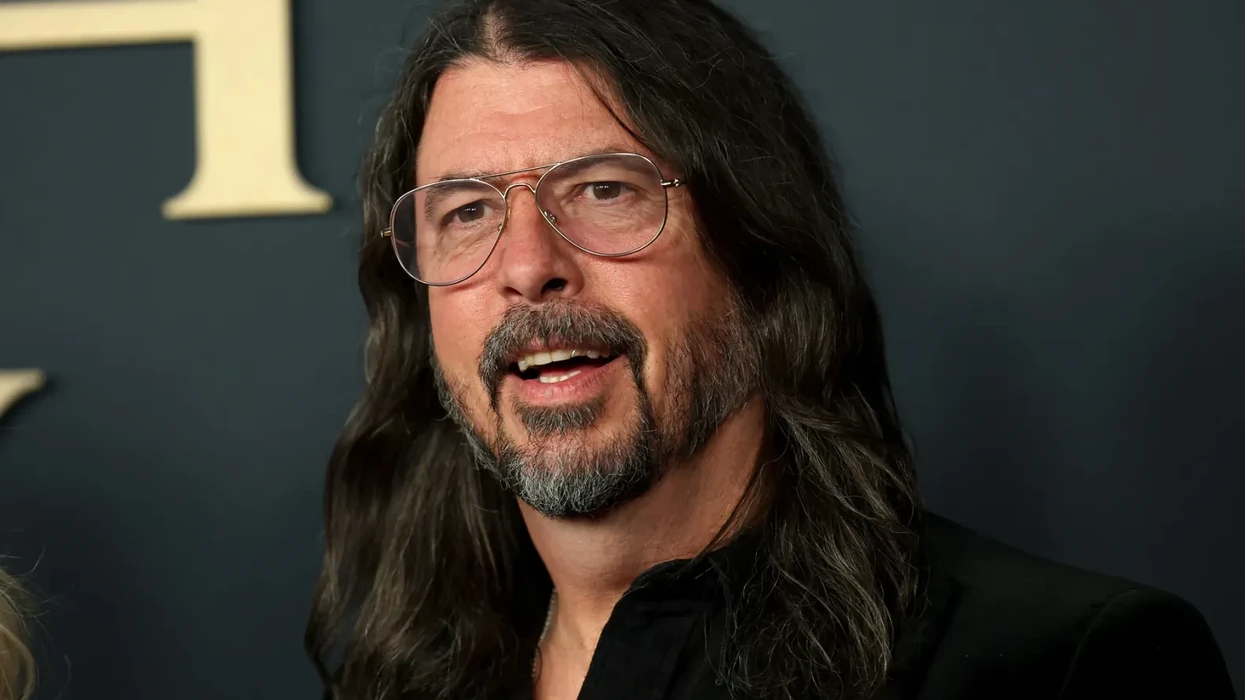
Dave Grohl Addresses Infidelity, Says He Goes to Therapy ‘Six Days a Week’
Frazer Harrison/Getty Images

Dave Grohl Addresses Infidelity, Says He Goes to Therapy ‘Six Days a Week’

Dave Grohl reflected on fathering a child outside of his marriage and the death of Foo Fighters‘ drummer Taylor Hawkins in a new interview. Speaking to The Guardian, the musician described being in therapy “six days a week for 70 weeks,” totaling more than 430 sessions.

Grohl explained that he faced a series of challenges, including Hawkins’ death in 2022, his mother’s death four months later, and a public revelation of infidelity in 2024. Grohl said experiencing the two deaths in a row “was almost too much to feel.”

Keep ReadingShow less
Man Pleads Guilty to Defrauding Streaming Services of $8 Million With AI-Generated Songs

Mike Smith in 2016

Bennett Raglin/Getty Images

Man Pleads Guilty to Defrauding Streaming Services of $8 Million With AI-Generated Songs

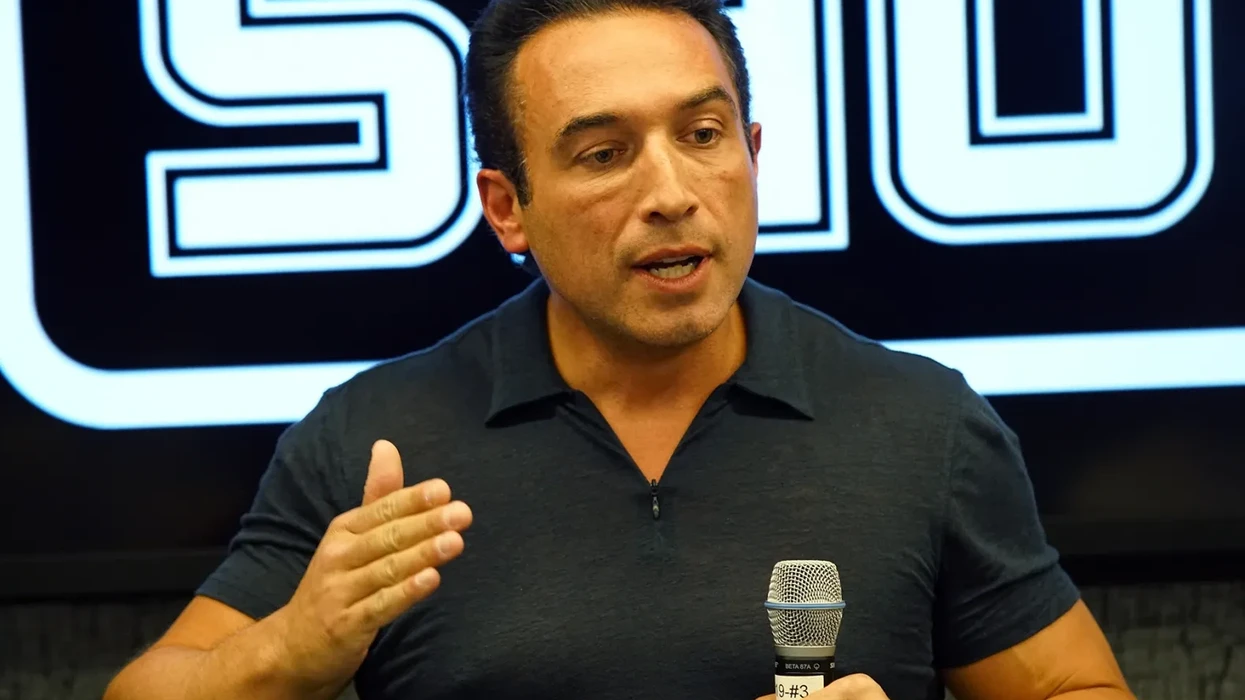
Michael Smith, a 54-year-old North Carolina man whom federal prosecutors accused of defrauding music-streaming services with AI-generated songs, pleaded guilty to one count of conspiracy to commit wire fraud on Thursday before U.S. District Judge John G. Koeltl. The charge carries a maximum sentence of five years in prison. Smith agreed to pay $8,091,843.64 in forfeiture. Judge Koeltl will sentence Smith in full this summer.

In the plea, Smith admitted to creating hundreds of thousands of songs using AI and, in turn, using thousands of bots to stream the songs billions of times, the way average consumers would, to make an income. By spreading the streams across thousands of accounts, he was able to evade detection by streaming services such as Amazon Music, Apple Music, Spotify, and YouTube Music. Ultimately, Smith acquired more than $8 million in royalties.

Keep ReadingShow less
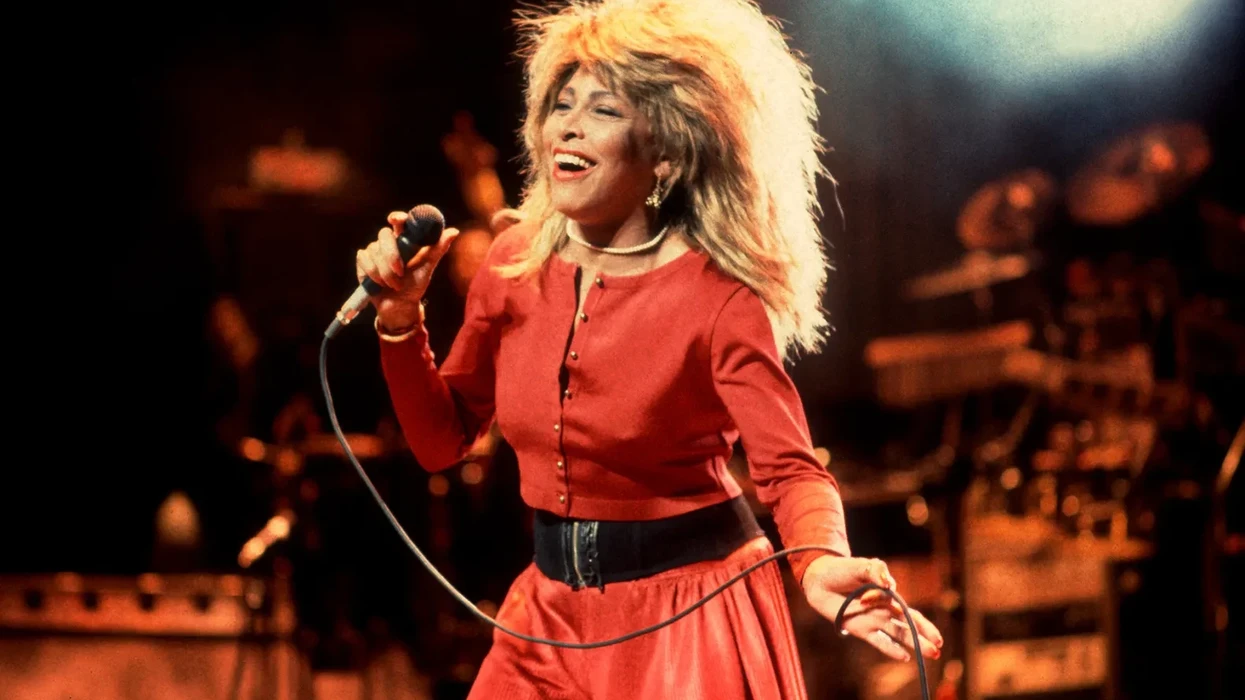
Tina Turner’s Name, Image, and Majority of Music Rights Sold to Pophouse
Tina Turner, 1987Paul Natkin/Getty Images

Tina Turner’s Name, Image, and Majority of Music Rights Sold to Pophouse

The rights to Tina Turner‘s name, image, and likeness now belong to Pophouse Entertainment, according to The Associated Press. The company, which ABBA’s Björn Ulvaeus co-founded, also acquired a majority stake in the rights to Turner’s music catalog from BMG. Terms of the acquisition have not been revealed.

Jessica Koravos, Pophouse’s CEO, told the AP that it was interested in Turner, who died in 2023, “because she has such an incredible visual presence and such an incredible stage energy.” The company, known for digital avatars and immersive experiences, is exploring “projects that can portray that and try to recreate that to some degree,” Koravos said.

Keep ReadingShow less
BMG Sues Anthropic for Alleged Training of Chatbot With Justin Bieber, Bruno Mars, Rolling Stones Lyrics

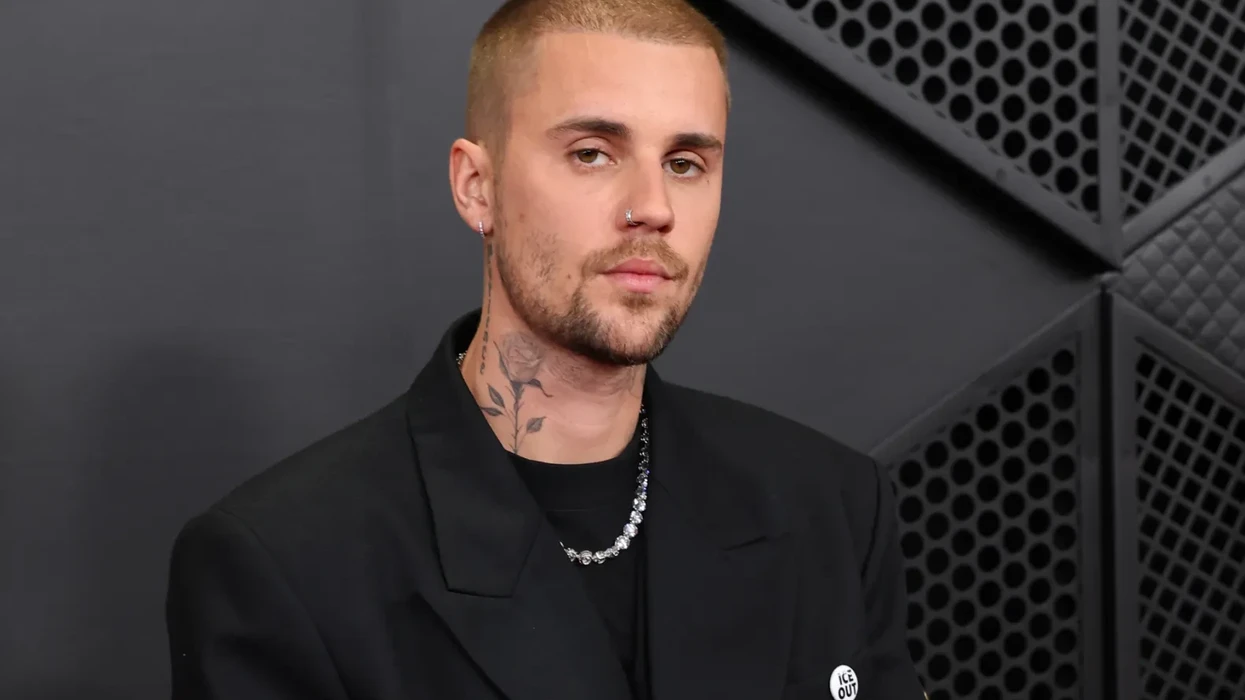
Justin Bieber in Los Angeles on Feb. 1

Amy Sussman/Getty Images

BMG Sues Anthropic for Alleged Training of Chatbot With Justin Bieber, Bruno Mars, Rolling Stones Lyrics

Music rights management company BMG has sued Anthropic, accusing the artificial intelligence firm of running “roughshod over the rights” of songwriters, from Grammy-winning stars to emerging artists.

In a lawsuit filed in federal court in California, BMG claims Anthropic used lyrics from artists including Justin Bieber, Bruno Mars, Ariana Grande, and the Rolling Stones to train its Claude chatbot without authorization. The company claims the infringement dates to Anthropic’s founding, when it allegedly used automated scraping tools to copy text from public websites and illegal online pirate libraries.

Keep ReadingShow less
Paul McCartney Says He and John Lennon Rekindled Their Friendship Over Parenting and Baking Bread

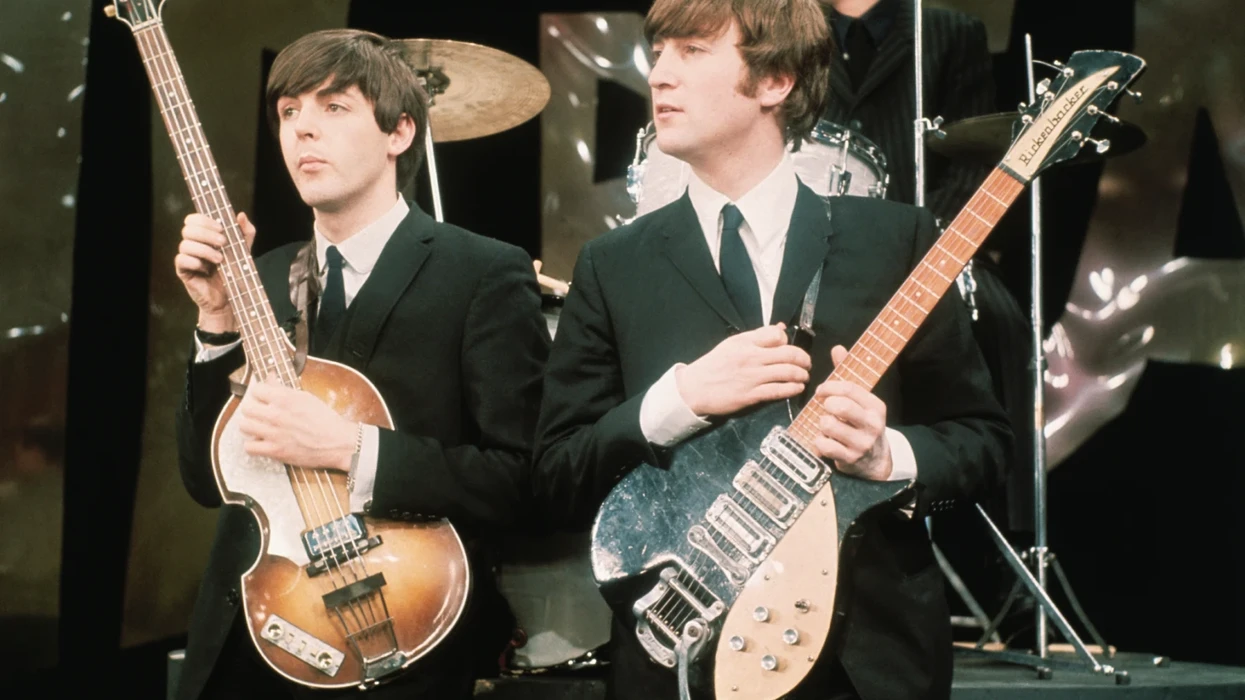
Paul McCartney and John Lennon in 1964.UPI/Bettmann Archive/Getty Images

Paul McCartney Says He and John Lennon Rekindled Their Friendship Over Parenting and Baking Bread

Paul McCartney talks about rekindling his friendship with John Lennon in a new clip from the musician’s installment of the Audible series, Words + Music, titled “The Man on the Run.”

The three-hour audio experience is out today, March 19, and features extended interviews between McCartney and Oscar-winning filmmaker, Morgan Neville. McCartney contributed a few fresh musical performances to the project, too.

Keep ReadingShow less