
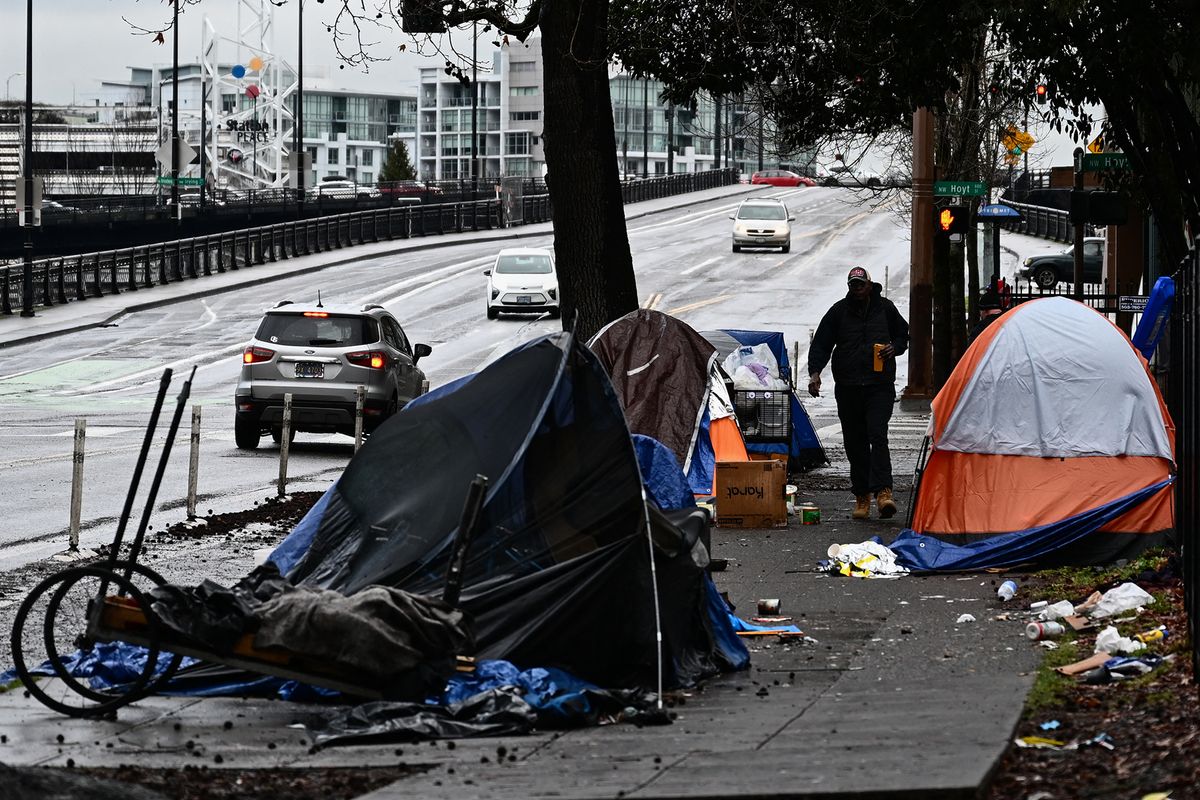

The Supreme Court just ruled that politicians can essentially criminalize homelessness.
The court ruled in City of Grants Pass v. Johnson that an Oregon town can ban sleeping outdoors. The 6-3 ruling fell along ideological lines.
“Sleep is a biological necessity, not a crime,” liberal Justice Sonia Sotomayor wrote in her dissent, calling the criminalization of sleeping in public “unconscionable and unconstitutional.”
The case stems from the city of Grants Pass, a town of roughly 40,000 in southwest Oregon, which began enforcing ordinances in 2013 that made it illegal to sleep on public property using bedding — which could mean anyone using a tent, sleeping bag, or blanket to make it through the night.
The city was sued by a group of homeless residents and a federal court ruled in their favor, arguing that the laws against camping were unconstitutional based on the Eighth Amendment’s protection against “cruel and unusual punishment.” The U.S. Court of Appeals for the Ninth Circuit sided with the lower court in a 2-1 decision. Grants Pass then appealed to the Supreme Court.
Supporters of Grants Pass’ case included many conservatives, who have been seeking to remove homeless populations to boost public safety, as well as liberal leaders in West Coast cities overwhelmed by a spike in homelessness as rent prices soar. California Gov. Gavin Newsom (D) was among the high-profile figures to file an amicus brief in the case. “The United States Supreme Court can establish a balance that allows enforcement of reasonable limits on camping in public spaces, while still respecting the dignity of those living on our streets,” Newsom said in a statement in March.
Opponents of the case, however, fear that the Supreme Court’s ruling could open the floodgates for jurisdictions cracking down on homeless populations. “If the Supreme Court were to allow for such a punitive regime, then we’re going to have a race to the bottom to make it as uncomfortable as possible for people to survive,” John Do, a senior staff attorney with the American Civil Liberties Union in Northern California, told Rolling Stone in March.
Do says cities other than Grants Pass have taken it upon themselves to enact stringent regulations that unfairly target homeless populations. In 2021, the ACLU worked with unhoused residents suing the city of Chico, a city of roughly 100,000 in inland Northern California, after a law forced homeless residents to relocate to a tarmac outside the city, where they faced high temperatures and exposure to the elements. The lawsuit was later settled.
“Jurisdictions would try to outdo each other in terms of having more costly, more punitive, and more effective measures,” Do said.
Boise, Idaho, was another city that effectively outlawed homelessness via anti-camping laws until the city was sued in 2018. The case, Martin v. Boise, reached the Ninth Circuit Court in 2019. The court ultimately ruled that residents without permanent shelter could not be arrested only because they were homeless, limiting how cities can respond to homeless encampments with enforcement sweeps. The decision caused leaders in cities overwhelmed with homeless residents like Los Angeles and San Francisco to side with conservatives in their support of Grants Pass’ case.
Do also explained the legal argument underpinning the Grants Pass case is not just about homelessness, but whether people can be criminalized for their status instead of their actions. Legal precedent for the limits of the Eighth Amendment’s protection against “cruel and unusual punishments” date back to Robinson v. California, a 1962 decision that overturned a law criminalizing drug addicts. The case established precedent for the protection of status or identity and limited laws to regulate criminal acts or conduct, a precedent that has been reaffirmed several times since.
One of the big questions heading into oral arguments in April is whether the Supreme Court justices would view being homelessness as voluntary or involuntary, which was one of the points raised by the Justice Department in a brief filed in support of neither party in the case.
“I think there may be a lot of questions on whether or not homelessness is voluntary or involuntary,” Do says, which he describes as “a really troubling framing.”
Do emphasized that the tactics used by Grants Pass and other cities in criminalizing homelessness fail to address the root causes of the issue, such as the lack of affordable housing. “Police cannot arrest their way out of homelessness,” he said.



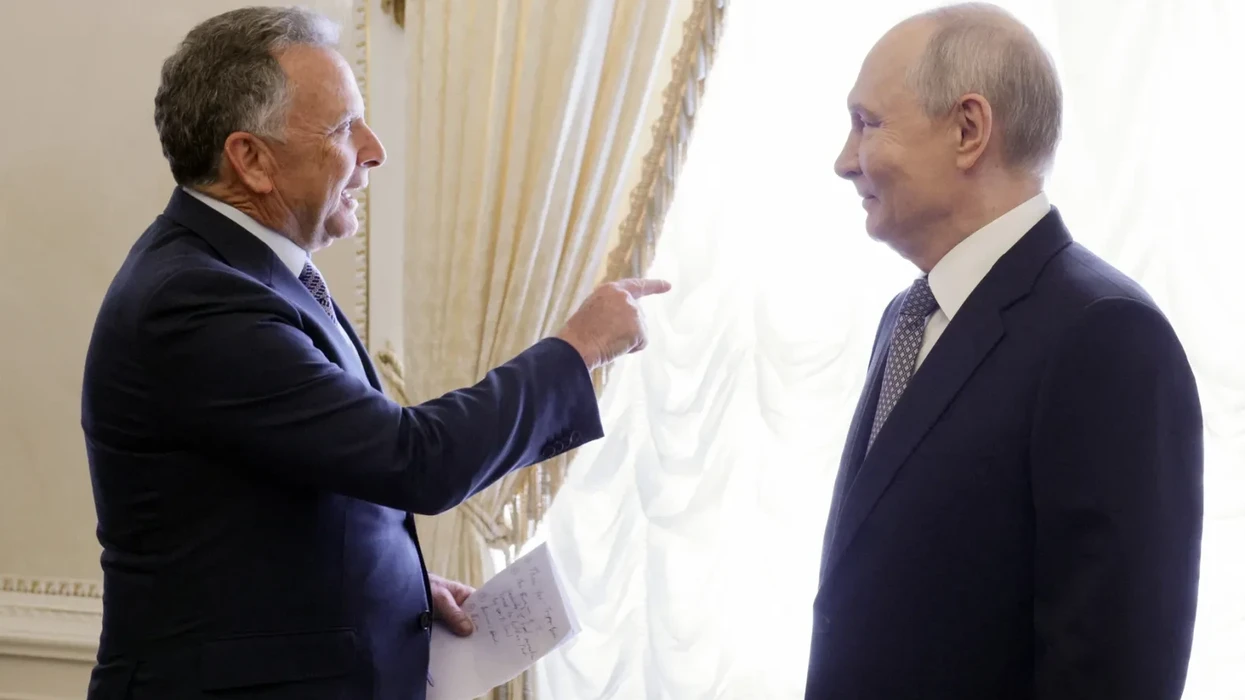


 Siri worked out of Dr. Mehmet Oz’s (right) home in an unofficial role on Kennedy’s transition.Brendan SMIALOWSKI/AFP/Getty Images
 West Virginia Gov. Patrick Morrisey has aimed to allow parents a religious exemption to school vaccinations.West Virginia Governor’s Office

 Health Secretary Kennedy served as co-counsel with Siri in 2018.Jim WATSON/AFP/Getty Images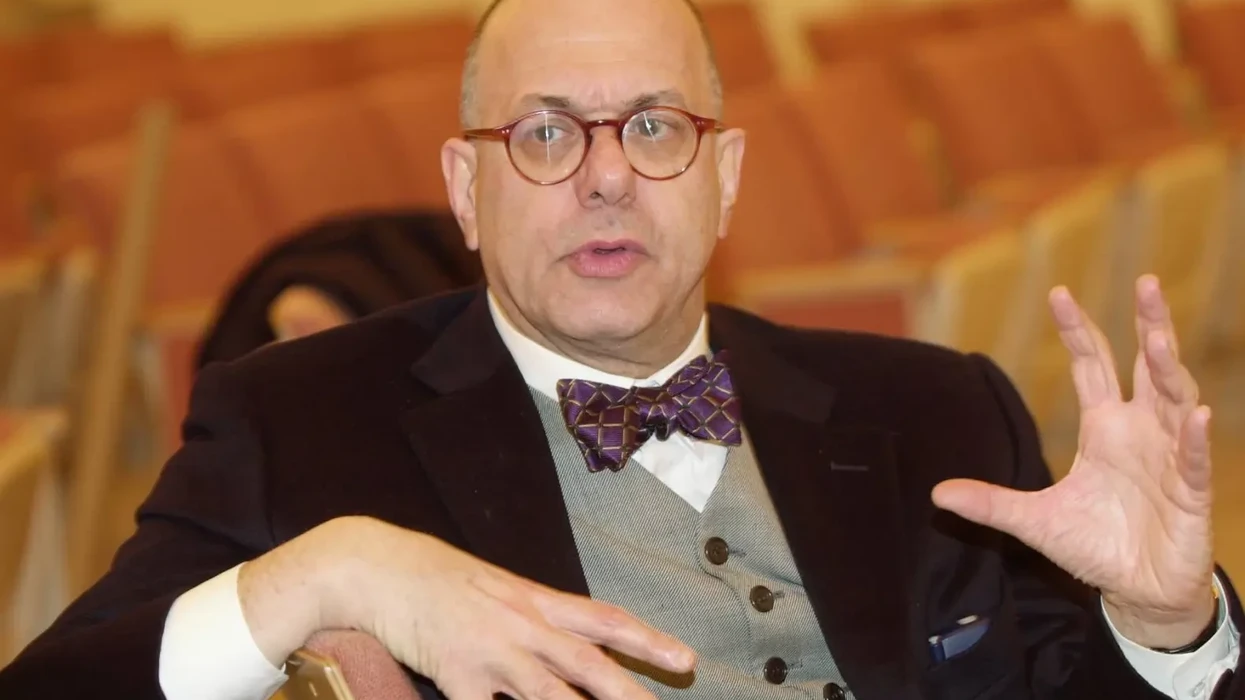

Here’s to 20 Years of ‘Taylor Swift’