

Medicare has completed its first-ever negotiations with pharmaceutical companies over drug prices. Though only 10 drugs were part of the initial program, the Biden administration announced on Thursday that Medicare will save $6 billion and Americans will save $1.5 billion in out-of-pocket costs in the program’s first year.
Congress for decades prohibited Medicare from negotiating drug prices, something that virtually all other countries do. It’s a chief reason why drug prices are two to four times higher in the United States than in other wealthy countries. The negotiated price list released by the administration on Thursday shows what Americans have been missing out on: Medicare will pay less than half of the current list prices on nine of the first 10 drugs that were included in the program.
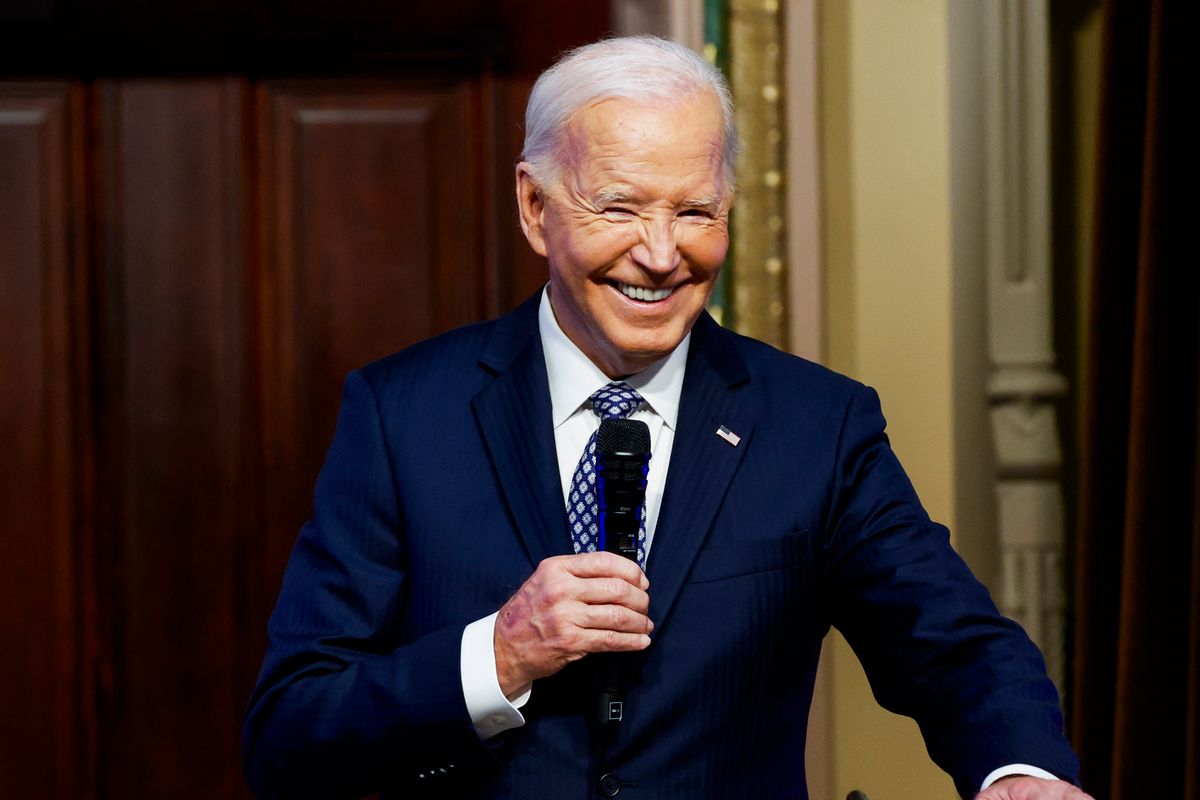
“For years, millions of Americans were forced to choose between paying for medications or putting food on the table, while Big Pharma blocked Medicare from being able to negotiate prices on behalf of seniors and people with disabilities,” President Joe Biden said in a statement. “But we fought back — and won.”
The fight is far from over: The negotiated prices will go into effect in 2026; several drugmakers and lobbying groups have sued to try to block the Medicare negotiation program, while Republican lawmakers are eager to repeal it.
The pharmaceutical industry is one of the most powerful and well-funded interest groups in Washington. Its lobbyists have long argued that negotiating drug prices would harm patients, limit access to medicines, and stifle innovation, even though the U.S. government helps fund research and development on all drugs that are approved for sale.
The basic reality is that Americans have been forced to pay the world’s highest prices for lifesaving products they helped finance. This status quo remains, but under Biden, Democrats finally fulfilled their longtime pledge to allow Medicare to negotiate drug prices. Some conservative Democrats helped water down the provision — limiting the number and types of drugs that would be subject to negotiation, and who will benefit — but the program’s successful inclusion as part of the 2022 Inflation Reduction Act was historic — and it opens the door to further expansions down the line.
During this year’s State of the Union speech, for instance, Biden called on Congress to “give Medicare the power to negotiate lower prices for 500 drugs over the next decade.” During her first campaign rally as the presumptive Democratic presidential nominee, Vice President Kamala Harris pledged to “take on Big Pharma to cap prescription drug costs for all Americans.”
Biden and Harris will hold a joint event in Maryland on Thursday touting the administration’s efforts to lower costs for the American people. The Harris campaign said she will announce a policy proposal on Friday pertaining to prescription drug costs.
Per the terms of the IRA, the Medicare drug negotiation program started with 10 expensive, older drugs that have no generic competition despite being on the market for at least nine years. The first round included drugs used to prevent blood clotting, reduce the risk of stroke, and treat diabetes, heart failure, blood cancers, Crohn’s disease, and plaque psoriasis.
As The Lever previously reported, the 10 drugs have all been sold in other countries at far lower prices.
One such drug is Januvia, a pill from Merck that helps adults with type 2 diabetes lower their blood sugar levels. A 2019 report by House Democrats found that Januvia was priced 1,000 percent higher in the U.S. than in international markets on average. Notably, the U.S. National Institutes of Health provided $228 million in funding for research prior to Januvia’s approval.
According to the Biden administration’s negotiated price list, the 2023 list price for a 30-day supply of Januvia was $527. In 2026, Medicare will instead pay $113 — or 79 percent less.
Xavier Becerra, Health and Human Services Secretary, celebrated the price negotiations in an interview with Rolling Stone, noting that the U.S. is going to save billions on “just this first negotiation on 10 drugs,” when there thousands of drugs covered under Medicare.
“If you look at it, if we can bring [one] price down by some 79 percent, why have we been paying these high prices so long, and how much should we actually be paying, and how many more drugs will we find that we can reduce the price of, if we just expand this program?” he said.
Merck launched the first lawsuit to block the Biden administration’s Medicare drug negotiation program, calling it “tantamount to extortion” and arguing that “it violates the Constitution.” Several drug industry lawsuits seeking to block the drug negotiation program have failed. Merck’s case is still pending.
“Every company that is suing us is also negotiating with us,” said Becerra. “Every company that negotiated with us agreed on a price. In some cases, we accepted an offer or counter offer that they came up with, and in the other cases, they accepted the offer [or] counter offer that we came up with. But either way, they agreed.”
He added, “We voluntarily came to an agreement on the price — even though they are suing us. And by the way, every lawsuit that they have filed so far, they haven’t won one.”





 A Canadian flag flies along the waterfront of Lake Ontario, on Aug. 27, 2026. Cole Burston/AFP/Getty Images

Everybody Likes Drake Again. That Means We’re Healing