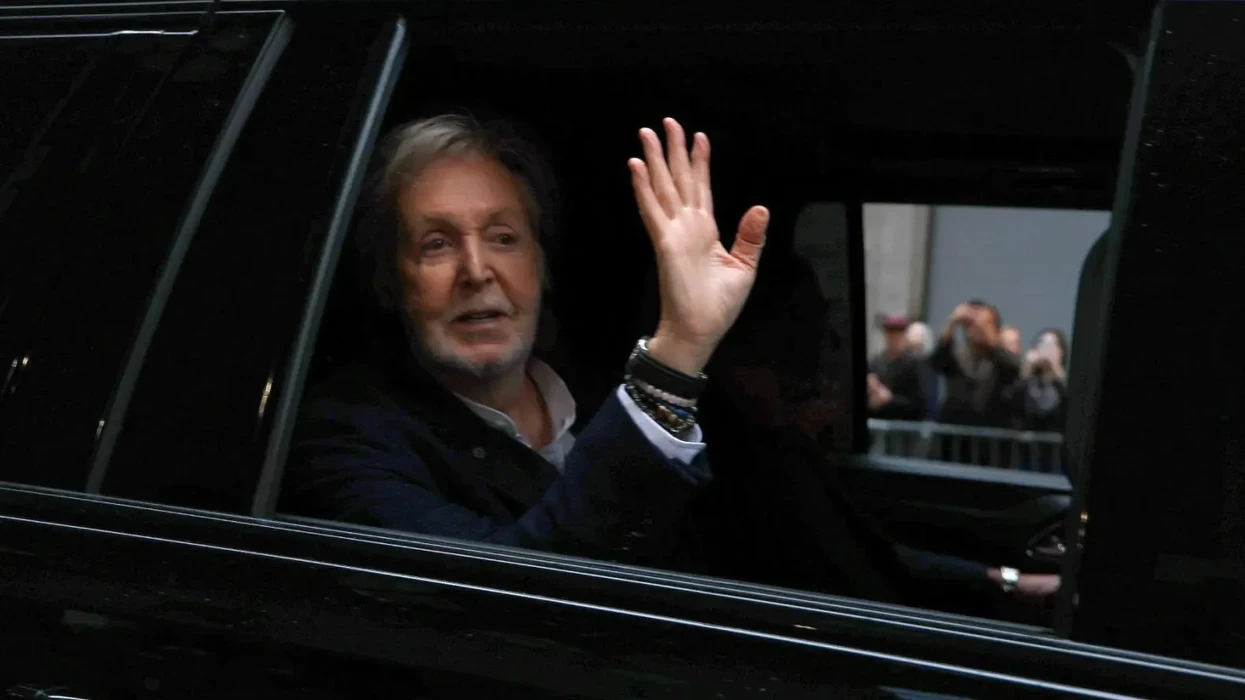

The title One Hand Clapping, taken from a Japanese kōan, tells you nearly everything you need to know about Paul McCartney and Wings’ 1974 Abbey Road sessions: These performances are an event rarely seen and heard even less often. For years, you’ve had to imagine what didn’t leak out from the studio as bootlegs for yourself. Those who do know these session know them as greasy VHS transfers to YouTube and bonus tracks to Band on the Run and Venus and Mars reissues. In the past, McCartney fans would have to search for these recordings, if they knew what they were. But now McCartney is marching out One Hand Clapping from footnote to centerstage for reconsideration as a standalone release. With half a century of hindsight, he has finally recognized he had captured something special.
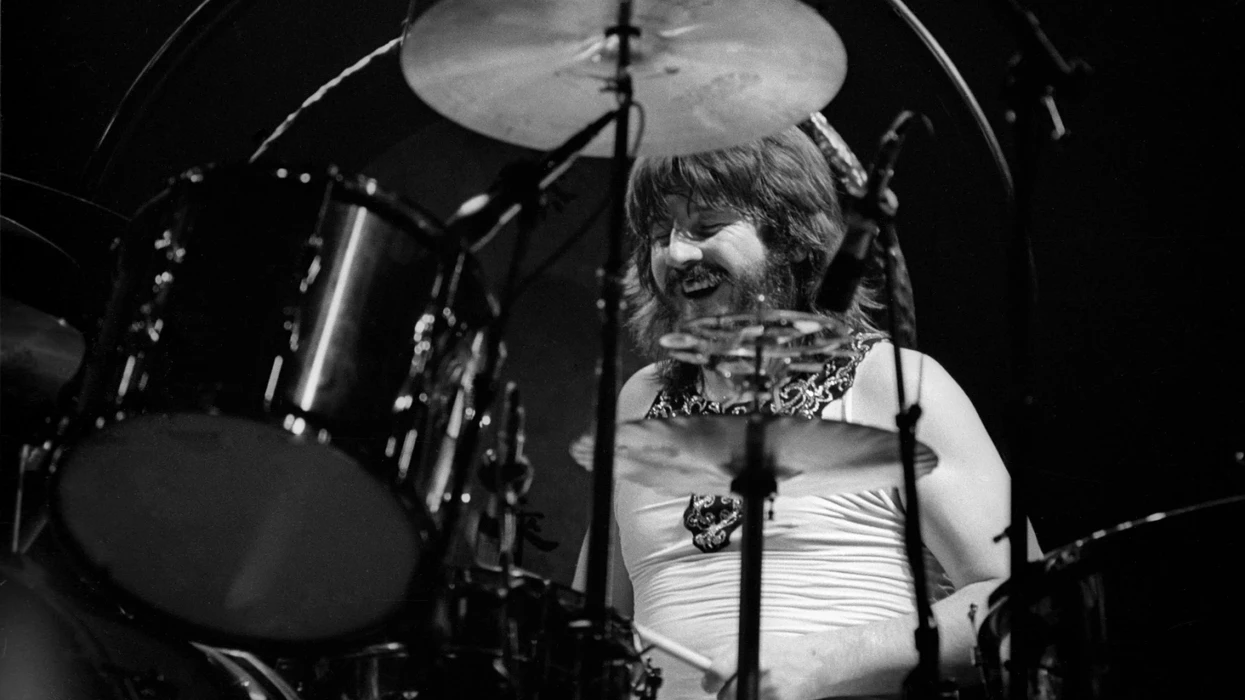
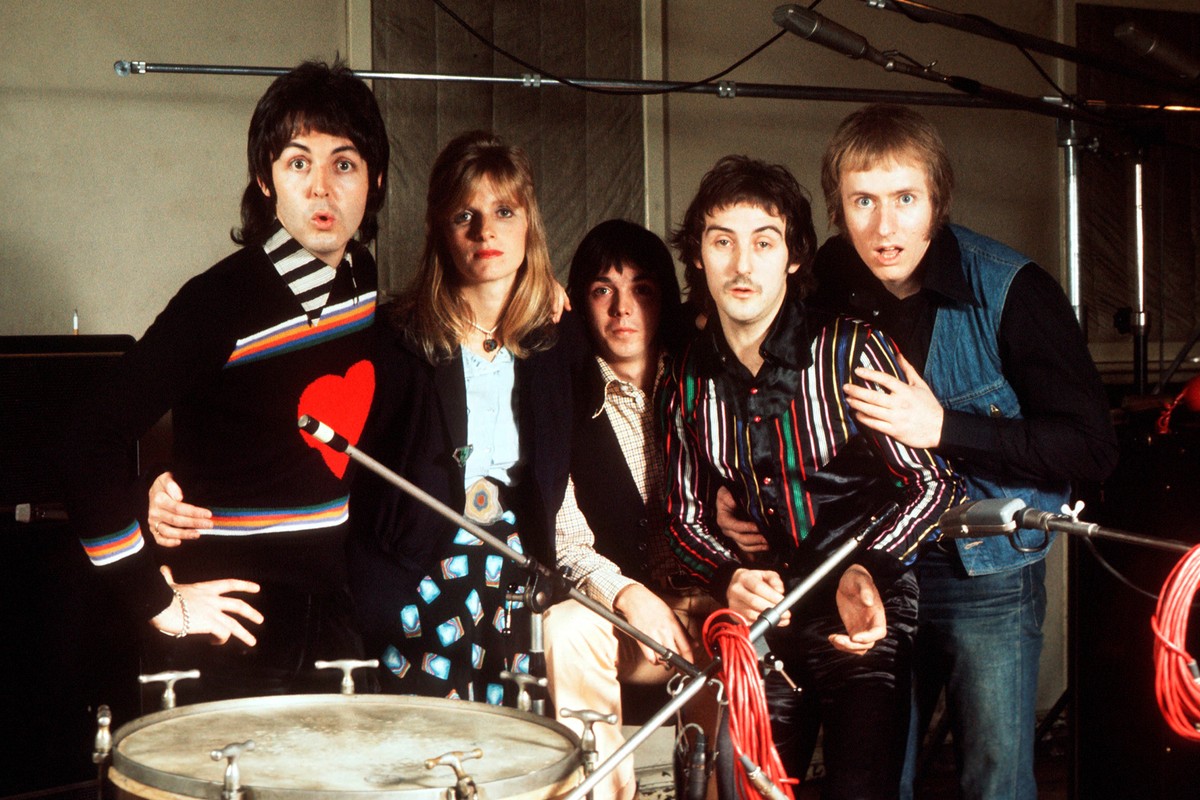
In the past, McCartney shrugged off One Hand Clapping, initially a TV special, as nothing special. “We called the film One Hand Clapping, for absolutely no reason, and not a lot happened with it,” he remarked in an interview about a decade ago. Wings had enlisted guitarist Jimmy McCulloch and drummer Geoff Britton to their ranks that summer after McCartney recorded Band on the Run with only his wife, Linda, and Wingman Denny Laine backing him up. The sessions, primarily recorded over six days in August 1974, were meant to get McCulloch and Britton ready to run on tour and test their mettle for 1975’s Venus and Mars.
At the time, McCartney, age 32, was flying high. A fab four years had passed since the Beatles broke up, and by the One Hand Clapping sessions, he’d released five LPs — as a solo artist, with Linda, and with Wings — showing he could get along without the other Beatles very well. Many of the songs that Wings rehearsed were an extension of the songwriting track he’d gotten on with “Let It Be” and “The Long and Winding Road” (two songs he doodled in the One Hand Clapping sessions), as well as “Get Back” (which he didn’t), constituting McCartney’s musical vision but without all the discord and brinksmanship of the Let It Be sessions. It’s Orpheus moving far along the long and winding road, refusing to get back. (And for history’s sake, the other Beatles were declaring their own independence and dependencies around the same time, too.)
As a whole, listening to One Hand Clapping is a lark — just as it was for McCartney and Wings to record. It isn’t overly serious, but the songs sound good, likely because the musicians were so relaxed at the time. McCartney didn’t include every tune the group recorded during the One Hand Clapping sessions in this archival release — notably absent here is “Suicide,” an easy-listening tune he once pitched to Frank Sinatra (who balked at it) — but it provides a long look at what the band was up to at the time.
About half of 32 tracks that did make the cut have never come out officially, which is a shame since they include fresh takes on well-known songs: The version of “Nineteen Hundred and Eighty Five” here feels both urgent and funky with some great, tension-building synths by Linda; “Wild Life” sounds more soulful and doleful than the album version (plus McCartney doesn’t sing “aminals” as he did on the album); and the reggae guitar on “Jet” skanks harder than previously. The band and orchestra hit different accent chords on an electric “Live and Let Die,” which features a grittier vocal performance from McCartney than on the James Bond single; he growls when it’s done, refusing to let it die.
The “backyard” tape, which comes as a seven-inch with the vinyl version of One Hand Clapping, also sounds particularly lively. Mere months before John Lennon put himself through hell with Phil Spector, rehashing his favorite songs from his youth with middling results for 1975’s Rock ‘n’ Roll, McCartney was goofing around with an acoustic guitar in Abbey Road’s backyard, playing the first song he and Lennon ever played together, Eddie Cochran’s “Twenty Flight Rock.” And unlike Lennon, he sounded like he was actually having fun. (McCartney hiccups “Peggy Sue” with more gusto than Lennon did on Rock ‘n’ Roll, too.)
Some of the other tracks on One Hand Clapping, though, feel a little too loose — which, as a document of a rehearsal, is perfectly fine, but they don’t cast any new light on McCartney’s hits. “Maybe I’m Amazed” bears all the power inherent in the song but doesn’t match the throat-shredding intensity of the Wings Over America rendition. The Beatles trilogy of “Let It Be,” “The Long and Winding Road,” and “Lady Madonna” sounds fantastic but lasts less than three-and-a-half minutes total, since he moves on from each song about as quickly as he moved on from the group. And “Band on the Run” starts shaky since some of the guitar runs aren’t tight and Linda almost misses the opening keyboard quiver. In the extant One Hand Clapping video footage of the song, you can see her grimace with embarrassment at the camera, but Paul looks unbothered.
In this format, though, the album largely benefits from the lack of video, the quality of which wasn’t great to begin with. Much of the unaired TV special, which came out as a DVD bonus disc to Band on the Run in 2010, featured long shots of the musicians’ faces, cutting out the instruments, and its director, David Litchfield, has admitted he wasn’t cut out to be a filmmaker since he was primarily a magazine editor. “Paul said … the documentary wasn’t meant for anyone but him, Linda, and the band,” Litchfield once said. “[My magazine] The Image was just about to go bust, so it saved my life.” But because longtime Beatles engineer Geoff Emerick recorded it and another engineer, Steve Orchard, has given the tracks a modern mix, McCartney sounds like he’s singing to you in the same room.
It’s that intimacy that makes the best of One Hand Clapping feel special and ultimately more like an “album,” or an official bootleg (which it is) than the soundtrack to a concert film. This lineup of Wings didn’t last too much longer, since McCulloch and Britton never jelled, and the drummer quit almost as soon as Venus and Mars came out. But for a few days in ’74 and the Venus and Mars sessions that followed, the friction worked in Wings’ favor. The sound of One Hand Clapping is the sound of a band just getting on its feet.




 Steve Cohen*