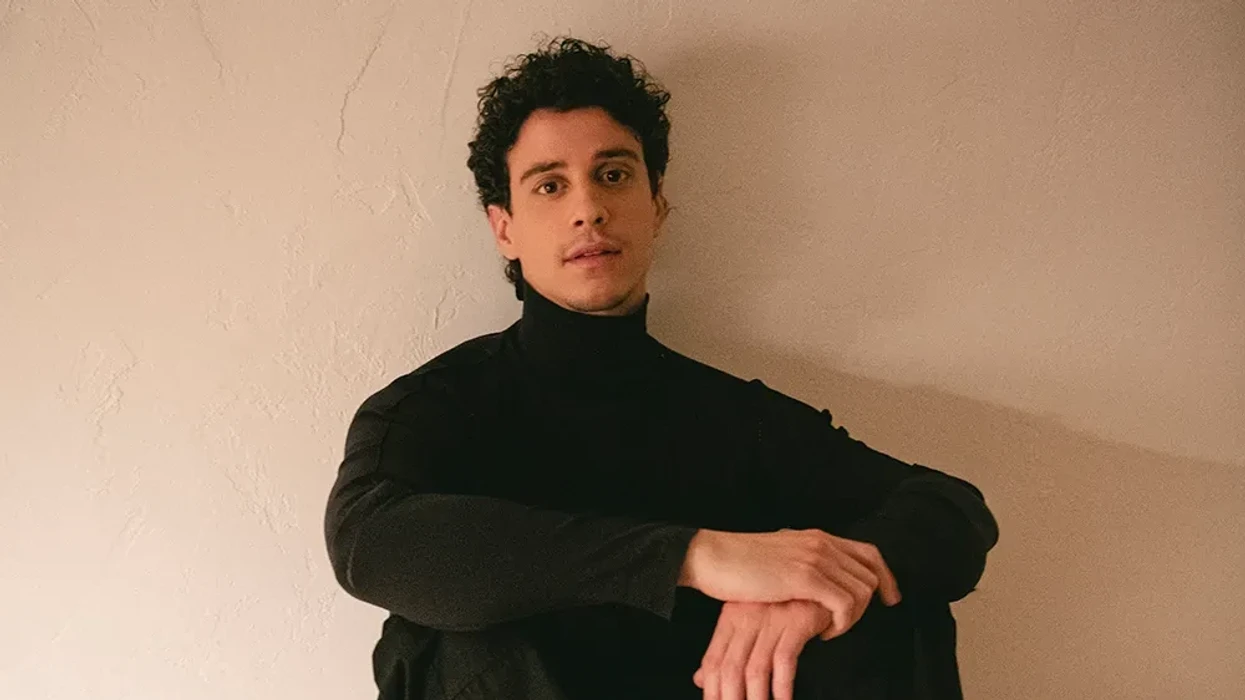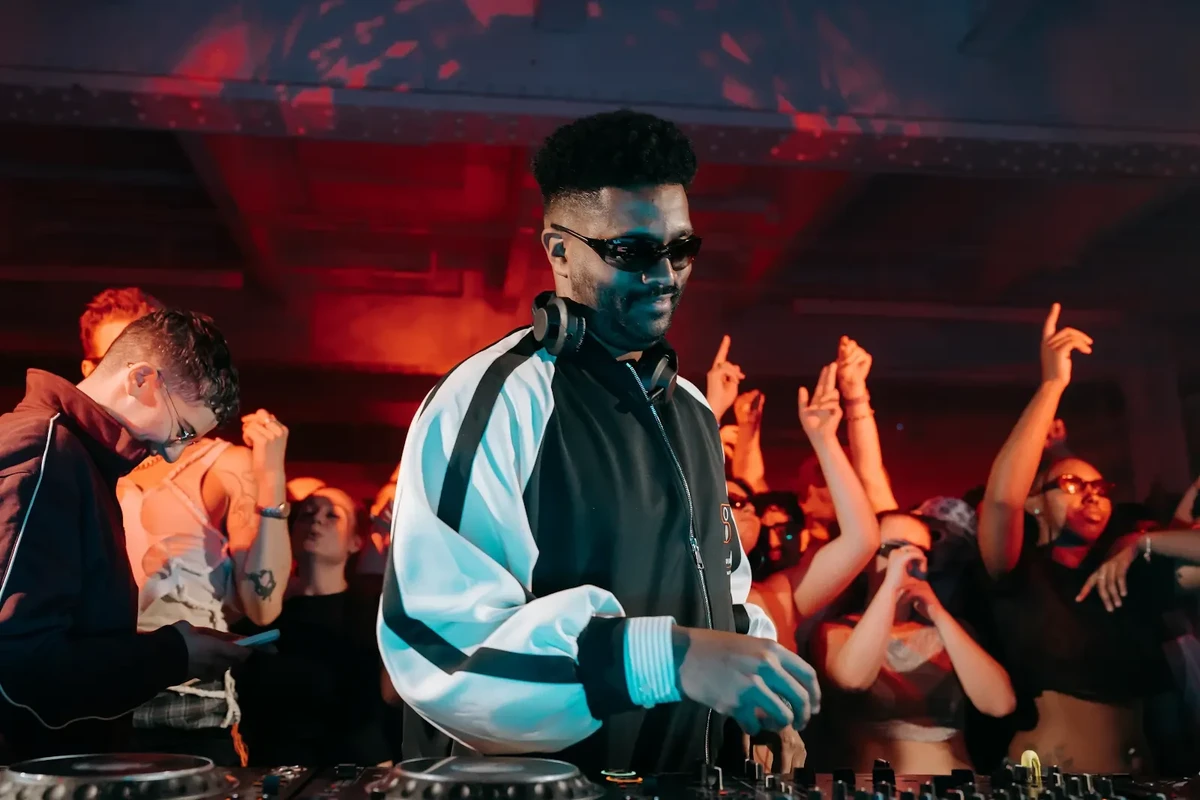

For Montréal electronic music producer and DJ Martyn Bootyspoon, contributing to Grand Theft Auto VI is both a full-circle moment and a career milestone. A longtime fan of the video game franchise, he grew up inspired by its approach to music curation. Now, with the latest instalment finally out, he —and millions of others— will get to hear his own creative work as part of its musical world.
"It's fucking crazy, man," he says, joined by phone at his Montréal home.
Released worldwide yesterday for PlayStation 5 and Xbox Series X|S, Grand Theft Auto VI marks the franchise's first mainline instalment since 2013's Grand Theft Auto V. Set in the fictional state of Leonida, a Florida-inspired setting that includes a modern-day Vice City, the game follows protagonists Jason Duval and Lucia Caminos as they become entangled in a criminal conspiracy. Barely 24 hours after its release, it is already the highest-rated video game of all time.
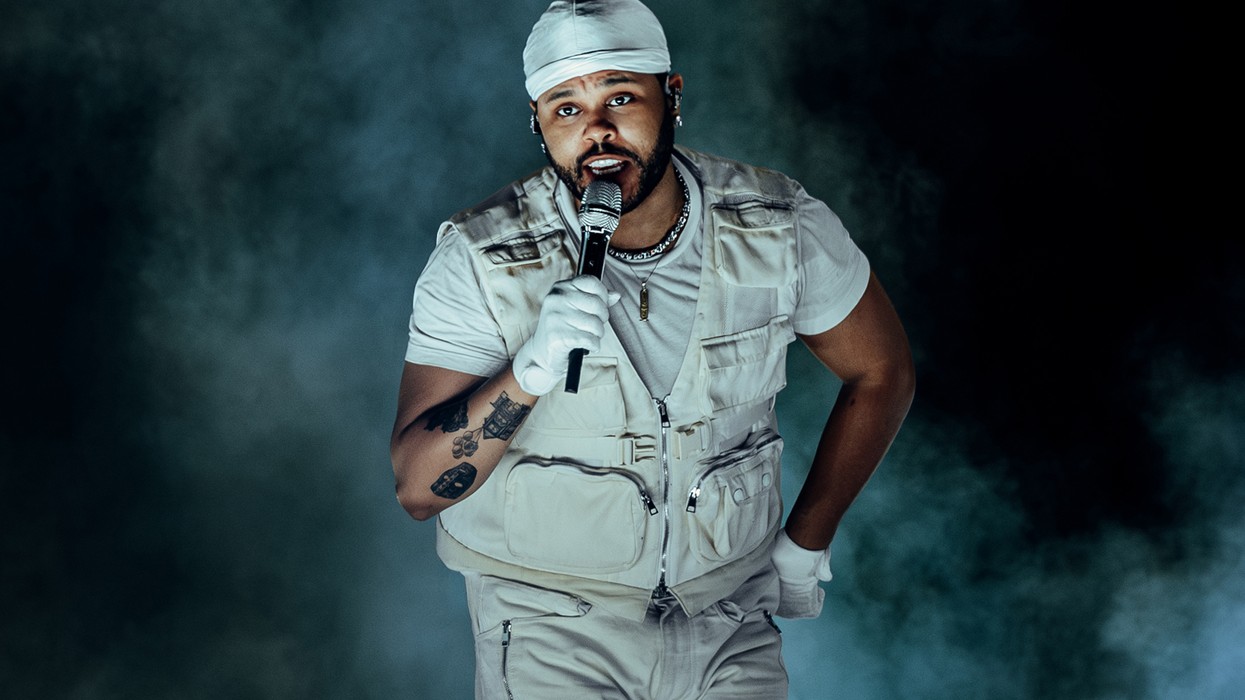
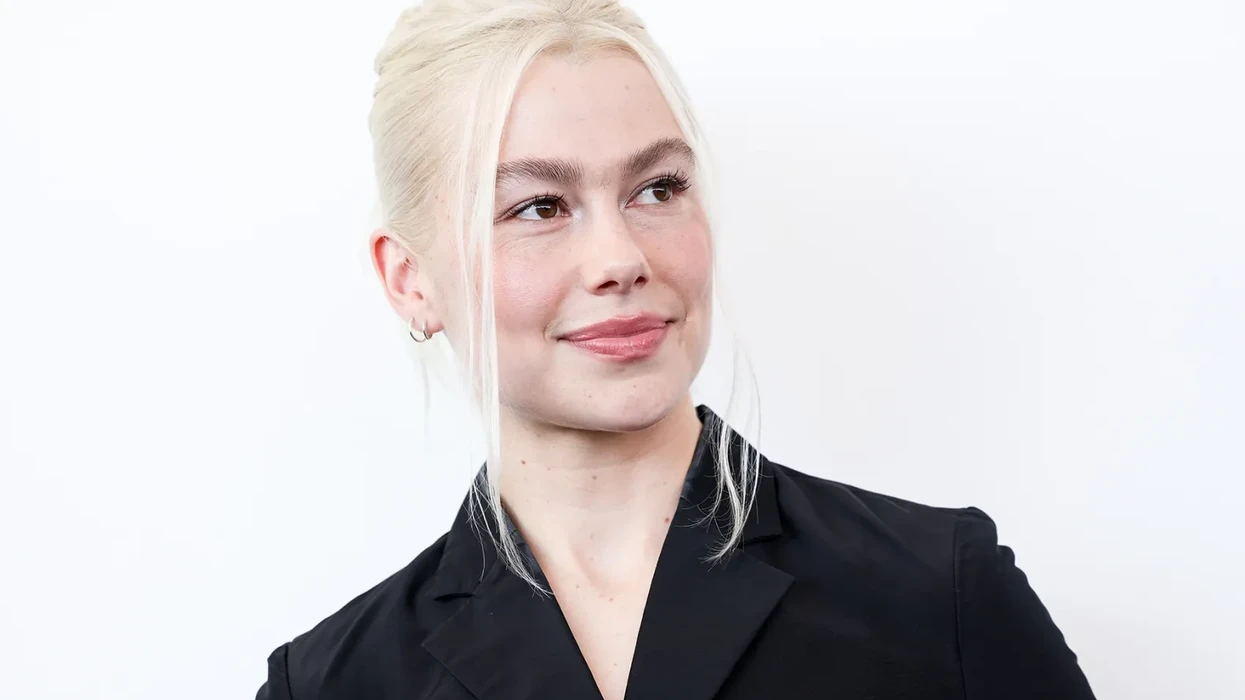
Unlike superstars Tate McRae and Drake, whose music can be heard on the airwaves of the different in-game radio stations, Bootyspoon, real name Jason Voltaire, was brought on to provide additional scoring for the game.
The Haitian-Canadian artist has built a reputation for an adventurous approach to electronic music, combining house, ghettotech, electro, and global club influences. His releases have appeared on labels including LuckyMe, Fool's Gold, Local Action and Fractal Fantasy, the collective he emerged from alongside producers Sinjin Hawke and Zora Jones at the beginning of the 2010s.
His fascination for the GTA universe goes back to San Andreas, particularly its radio programming. He recalls how the game's dance music station, SF-UR, helped shape his understanding of the relationship between music, discovery and video games. To get the call from the music direction team at Rockstar was both unexpected and a natural fit.
"The curatorial aspect was so inspiring for me as a DJ and a producer," he says.
The assignment also introduced him to a different way of composing. Rather than writing a conventional song, Bootyspoon had to work with dynamic scoring, a technique in which music responds to gameplay instead of remaining fixed. Individual musical elements can be introduced, removed or layered as the experience changes, allowing the intensity and atmosphere of the score to evolve alongside the player experience.
"I needed to understand this concept of layering," he says. He looked back at the work of Tangerine Dream on Grand Theft Auto V to better understand how the approach could translate into his own production. "With the dynamic scoring, I was applying those same methodologies to the emotional subtext of scenes."
The process required a different kind of creative interpretation. Without the benefit of scoring to picture, Voltaire had to translate the developers' creative direction into music, relying on atmosphere, narrative context and his own compositional instincts.
An important part of the composing process was drawing on his Haitian musical heritage. Bootyspoon had already been exploring ways to incorporate Haitian musical traditions into a broader listening experience, tracing connections between the music he grew up around and contemporary sounds. A GTA game set in a fictional Miami, which has the largest Haitian population outside of Haïti, gave him an opportunity to explore those ideas.
He was particularly interested in the hypnotic quality of hearing Haitian and Caribbean music during family gatherings, where a recurring groove can remain largely unchanged while subtle variations gradually alter its feel. "At family functions, you hear the same groove incessantly over and over and at some point, you and your cousins, you look at each other and think, ‘The song has not changed’" he says with a laugh.
Rather than directly reproducing those musical traditions, Voltaire drew on the sensory memory of hearing them from another room: distant basslines, repeating rhythms and sounds gradually coming into focus. He then manipulated those familiar qualities into something more tense and unsettling for the game's atmosphere.
"I was kind of leaning into that level of hearing behind the wall, hearing Haitian music and kind of like these bass line rhythms playing and easing in and filling out, but then kind of making it a bit tenser and creepier."
He also approached the work with the instincts of a DJ, constantly thinking about what comes next and how one musical moment prepares the listener for another. "I'm really thinking five records ahead and thinking about anticipation and how energy develops," he says.
That perspective proved useful when adapting his usual creative process to a format that required him to think beyond a single finished, polished track. After several rounds of experimentation and refinement, his contributions were selected for the game.
When we spoke, Bootyspoon had still yet to hear his contribution in the game. He had only begun playing Grand Theft Auto VI the previous night, having just unlocked a new section of the game.
"I just visited the equivalent of the E11even strip club in there," he says, referring to the real-life 24-hour ultraclub in Miami. "I'm very, very happy. It was worth the wait."