
Skip to content
Search

Feds Want Nearly 4 Years in Prison for AI Music Fraudster Who ‘Stole Millions’

Prosecutors are urging the judge to sentence Michael Smith to 46 months in federal prison to "send a clear message"

Feds Want Nearly 4 Years in Prison for AI Music Fraudster Who ‘Stole Millions’

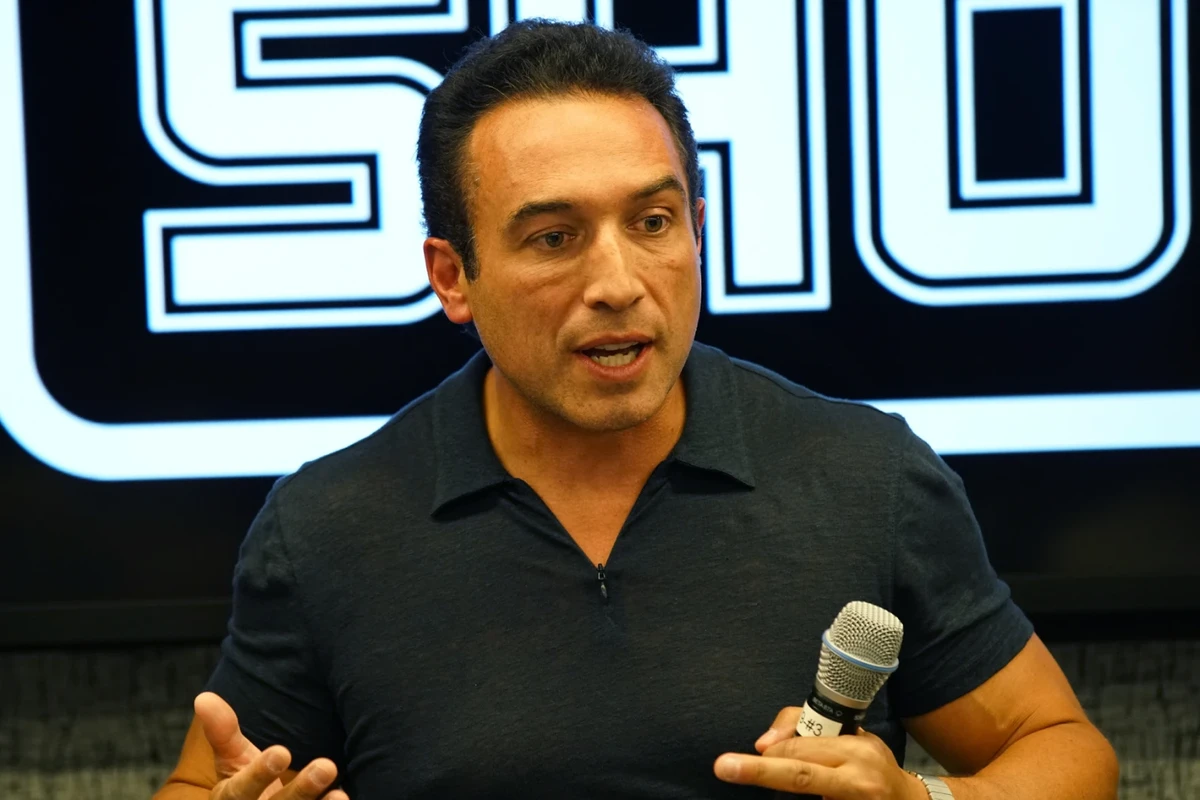
Mike Smith attends BET's ONE SHOT screening on Aug. 22, 2016.

Bennett Raglin/Getty Images for BET Networks

The North Carolina man who used artificial intelligence to create thousands of fake songs by invented artists, then unleashed an army of bot accounts to stream the tracks billions of times and siphon millions from royalty pools meant for legitimate artists, should face “significant punishment,” prosecutors say.

In a new letter filed Tuesday and obtained by Rolling Stone, Manhattan federal prosecutors urged a judge to sentence Michael Smith to at least 46 months behind bars for his admitted scheme. Smith’s defense is asking for no jail time, only probation. Federal probation officials are recommending 24 months in prison. Smith’s sentencing is set for Oct. 6 in Manhattan federal court.


In their letter, prosecutors said Smith became so adept at artificially inflating streams of his music on platforms including Apple Music, Spotify, Amazon Music, and YouTube Music that his share of subscription-funded royalty pools sometimes exceeded shares allotted to the industry’s biggest stars. In April 2023, for example, Taylor Swift’s entire catalog drew 9.3 million streams from YouTube Music family-plan subscribers, prosecutors said, while Smith’s catalog generated 80.9 million.

Prosecutors said Smith pocketed more than $8 million in unearned royalties overall, perpetrating his “massive fraud” for more than six years. They argued that a stiff sentence is necessary “to provide just punishment” and deter other white-collar criminals in the future.

“Imposing a substantial term of incarceration will send a clear message that defrauding social services programs, no matter who you are, will result in significant punishment,” Assistant U.S. Attorneys Nicholas W. Chiuchiolo and Kevin B. Mead wrote in their letter to the court. “If the public is watching this case, as the defendant claims, a lenient sentence will send precisely the wrong message: streaming fraud will not result in meaningful punishment.”

Smith accepted a deal from prosecutors in March, pleading guilty to one count of conspiracy to commit wire fraud, which carries a maximum sentence of five years in prison. He also agreed to pay $8,091,843.64 in forfeiture.

In defense filings last week, Smith and his lawyers said he was “profoundly sorry” for his conduct but that he “did not set out to commit a federal crime.”

“He believed his initial efforts to be lawful,” his lawyers Noell P. Tin and Justine Harris wrote to the judge. “Indeed, Mr. Smith consulted with a well-known music attorney with extensive experience in legal operations at music publishing companies. Although he ultimately ended up rationalizing conduct that he knew was wrong — false statements to distributors and increasingly deceptive conduct to avoid scrutiny — his conduct began at a time when the legal parameters were unsettled.”

Prosecutors disputed that in their Tuesday filing, arguing that Smith’s “own words and conduct reveal that he knew from the very beginning that his scheme was a form of fraud.” They said he knowingly carried out the fraud on a daily basis during the six years.

“Michael Smith generated thousands of fake songs using artificial intelligence and then streamed those fake songs billions of times,” U.S. Attorney Jay Clayton said in March. “Although the songs and listeners were fake, the millions of dollars Smith stole was real. Millions of dollars in royalties that Smith diverted from real, deserving artists and rights holders. Smith’s brazen scheme is over, as he stands convicted of a federal crime for his AI-assisted fraud.”

More Stories

The 2027 Grammys Contenders for Song of the Year Should Be Predominantly Women

The 2027 Grammys Contenders for Song of the Year Should Be Predominantly Women

Leading up to the Grammy nominations on Nov. 16, “Rolling Stone” is breaking down 11 different categories. For each, we’re predicting the nominees, as well as who will (and who should) win on Grammy night.

If there’s one through line for the likely 2027 Song of the Year nominees, it’s that it’s a wide-open field. “There isn’t something like a ‘Not Like Us,’ the song that everyone is anointing as the great song,” says Tony Gervino, editor-in-chief of Tidal, citing 2025’s big winner by Kendrick Lamar.

Keep ReadingShow less
Thom Yorke and Harry Styles Come Together in Epic Conversation
Photographs by Anthony Pham

Thom Yorke and Harry Styles Come Together in Epic Conversation

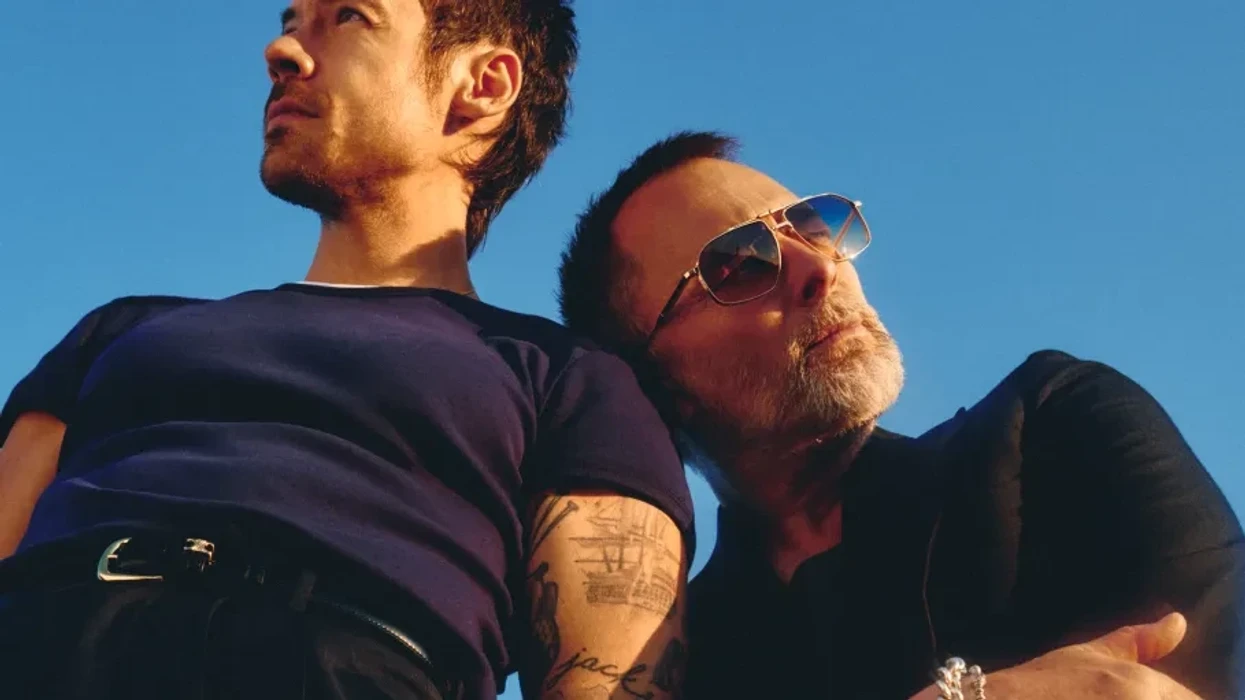
Two years ago, in the summer of 2024, Harry Styles was strolling down a small cobblestone side street in Rome, when he suddenly noticed a face he recognized. It was Radiohead’s Thom Yorke, one of his biggest musical heroes. He introduced himself — just two stars walking the streets incognito, with no entourage. As Styles confesses to Yorke now, with a shy grin, “You, to me, had always been that person that I was scared of meeting.”

Yorke and Styles might seem like they’re from two different worlds — the planet’s most dazzling glam-pop prince versus the high priest of art-rock angst. But today, they’re busy making each other laugh on a sunny July afternoon in London, at a studio near Camden Town. Yorke has been known to be a thorny interview subject, ever since the early days of Radiohead. Yet today he lets down his guard, as he basks in the presence of the equally notorious charm of Harry Edward Styles. They crack each other up like mischievous schoolboys.

Keep ReadingShow less
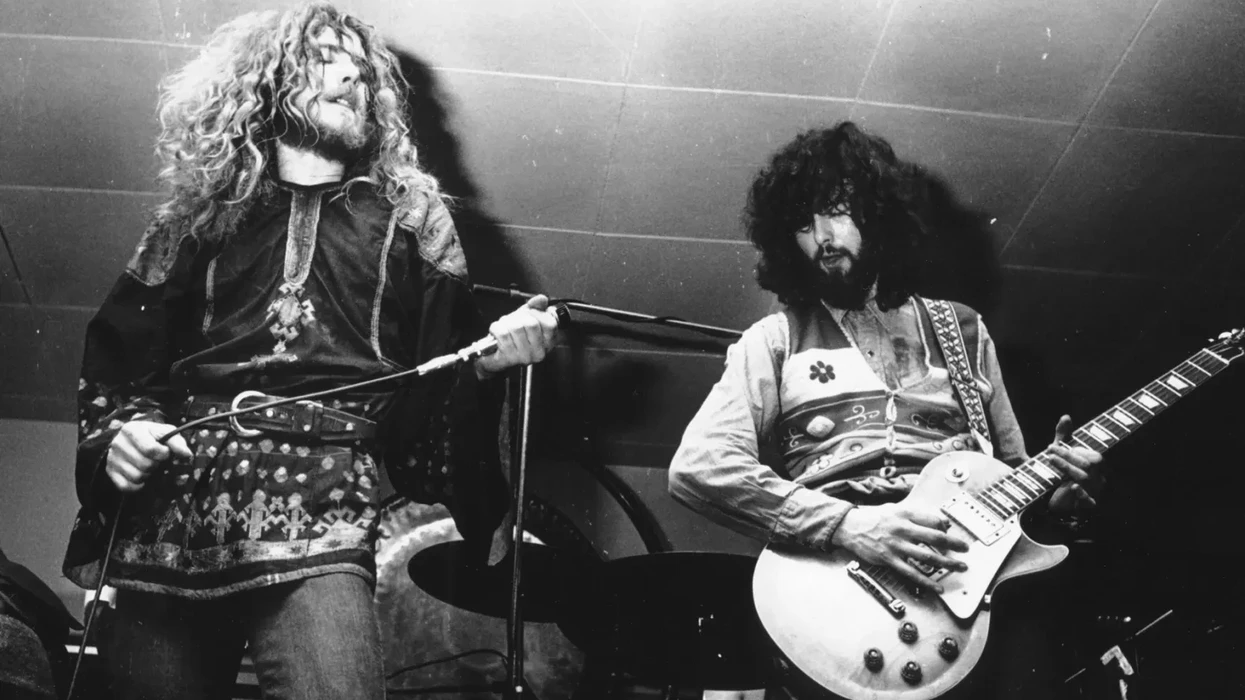
No Stairway? Denied! Five Times Led Zeppelin Declined to License Their Song Prior to ‘Narnia’

Led Zeppelin in 1971, before they began approximately 50 years of turning down requests to use "Stairway" onscreen.

Chris Walter/WireImage

No Stairway? Denied! Five Times Led Zeppelin Declined to License Their Song Prior to ‘Narnia’

The trailer for Greta Gerwig’s long-awaited Netflix movie Narnia: The Magician’s Nephew dropped earlier this week. Narnia fans were delighted to catch their first glimpse of child actors David McKenna and Beatrice Campbell as the characters Digory Kirke and Polly Plummer, along with a peek of author C.S. Lewis’ mythical land and its magical inhabitants. But classic rock fans were barely able to process any of that once “Stairway to Heaven” began playing.

Simply put, “Stairway to Heaven” is one of the most difficult works in music history to license for on-screen use. There have been several notable attempts over the years, but Jimmy Page and Robert Plant control their own publishing, and they hold onto this particular song quite tight for more than 50 years.

Keep ReadingShow less
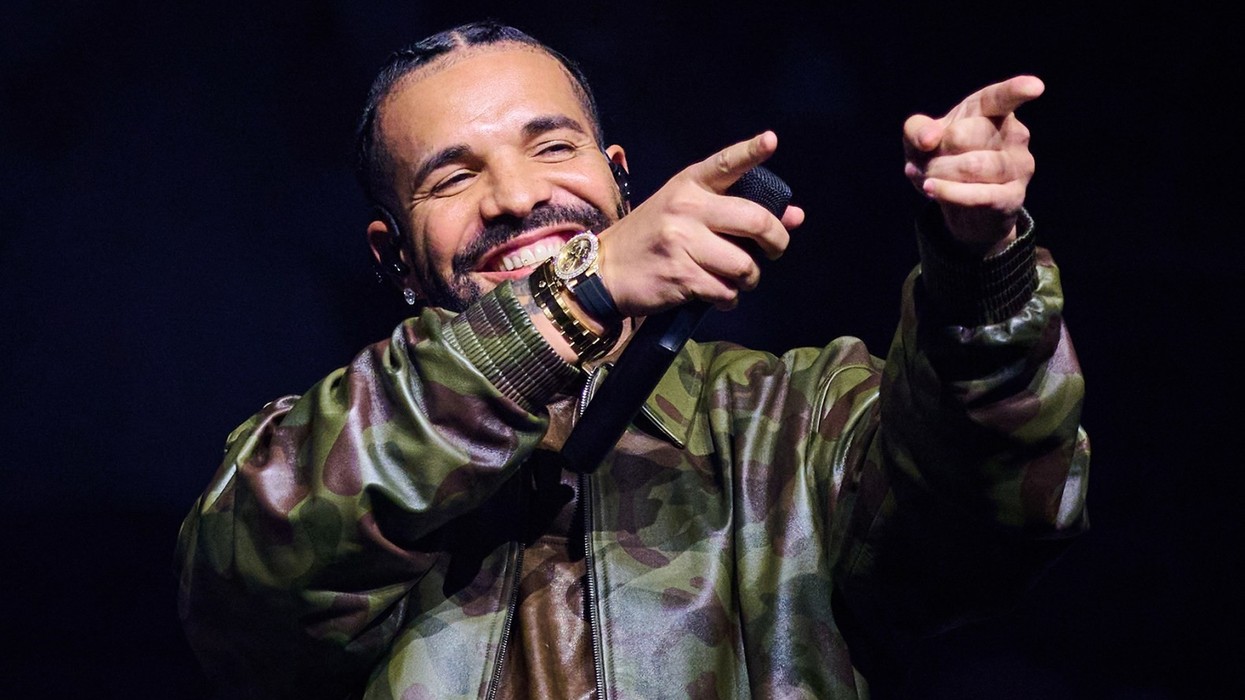
Drake Makes Billboard History With 18th No. 1 R&B/Hip-Hop Album
Drake onstage in Toronto last year
Sammy Kogan/The Canadian Press/AP

Drake Makes Billboard History With 18th No. 1 R&B/Hip-Hop Album

Drake has become the artist with the most No. 1 albums in the history of Billboard’s Top R&B/Hip-Hop Albums chart, claiming the record outright with his 18th chart-topper.

The Toronto rapper reached the milestone as HABIBTI returned to the top following the October 2 release of HABIBTI (FOMO), a deluxe edition featuring four additional tracks. The album climbed from No. 35 to No. 1 on the chart dated October 17, according to Billboard, earning 71,000 equivalent album units in the United States during the October 2-8 tracking week. That represented a 506 per cent increase over the previous week.

Keep ReadingShow less
Charlotte Cardin Announces Third Album 'Midnight, Mon Amour'

Charlotte Cardin Announces Third Album 'Midnight, Mon Amour'

Charlotte Cardin will release her third studio album, Midnight, Mon Amour, on January 29, 2027. The Montréal-born, Paris-based singer announced the 17-track record on Tuesday, October 13, alongside a new music video for her latest single, “Memories.”

The album follows Phoenix (2021) and 99 Nights (2023). Cardin has described the upcoming project as a “shadow album,” exploring private desires, vulnerability, shame and the contradictions people keep hidden.

Keep ReadingShow less