Skip to content
Search

What ‘Bad Art Friend’ Can Teach Us About the ‘Baby Reindeer’ Controversy

What ‘Bad Art Friend’ Can Teach Us About the ‘Baby Reindeer’ Controversy

In 2021, The New York Times Magazine published a nearly-10,000-word feature titled “Who Is the Bad Art Friend?” The piece was about a woman named Dawn Dorland, who donated a kidney to a stranger, which she posted about at length in a Facebook group for aspiring writers. Another member of the group, Sonya Larson, wrote a short story inspired by Dorland, prompting an enraged Dorland to sue. 

When “Who Is the Bad Art Friend?” was published, it prompted a massive online debate. Some sided with Dorland, arguing that Larson had betrayed her trust; others sided with Larson, claiming that seeking inspiration from real life is the marrow of great fiction. At the heart of the discourse was the central question: In a world where consent and privacy are ostensibly paramount, how do those principles translate to art? Does it make you a “bad art friend” to seek inspiration from those around you, or does it make you simply an artist? Another way of putting it: What is the role of empathy in art?


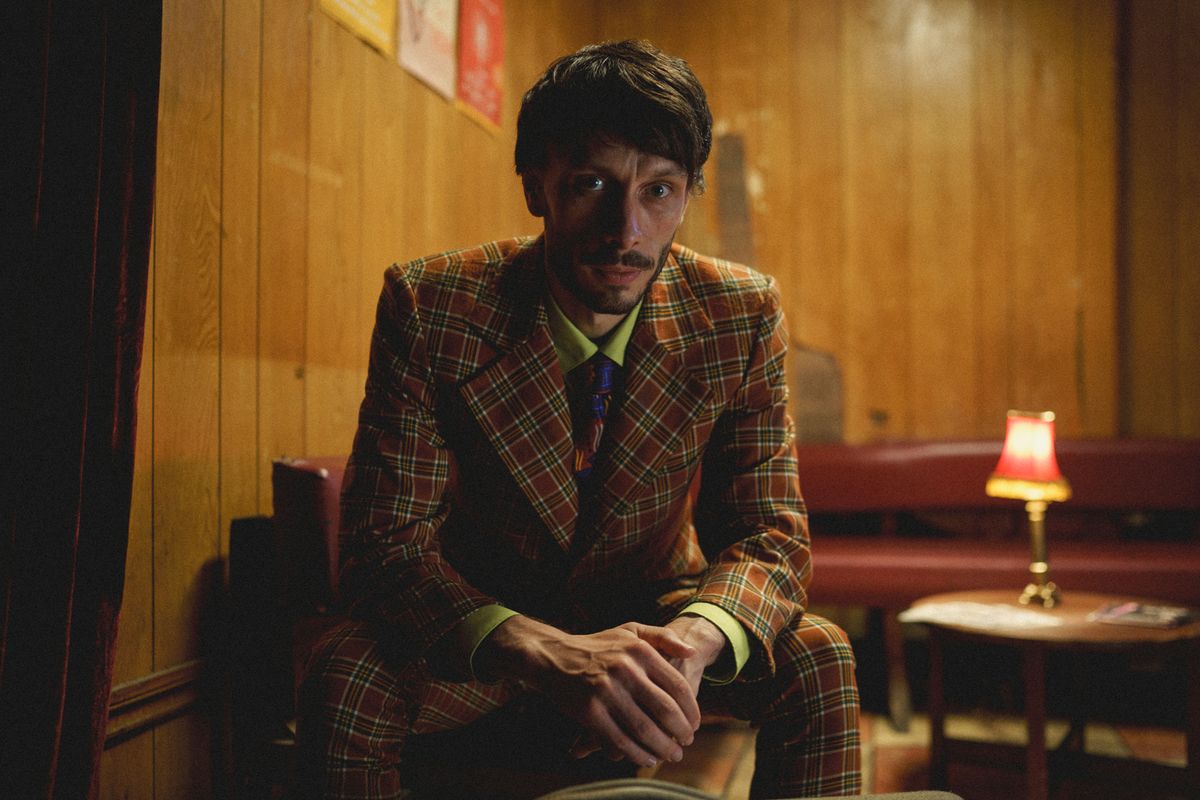
Three years later, we seem to be more confused about the topic than ever. This is evident from the discourse sparked by Baby Reindeer, the acclaimed Netflix limited series about a comedian, Donny Dunn (Richard Gadd), being stalked by an older woman, Martha Scott (Jessica Gunning). 

As a work of art, Baby Reindeer is deeply moving. It is also profoundly uncomfortable to watch. Partly that’s because the show deftly questions long-held orthodoxies about sexual abuse, mental health, and gender identity — in particular, suggesting that the line between victim and abuser is far more tenuous (or even blurry) than we’d like to believe. But it’s also because from the very start, via an onscreen message, we are told that “this is a true story.”  

When Baby Reindeer started airing, internet sleuths predictably set to work trying to identify the real-life inspiration for Martha, despite Gadd’s request on social media that they not. Within days, they pointed to Fiona Harvey, a middle-aged lawyer who’d tweeted excessively at Gadd around the same period the show is set in. 

Much like Dorland, who did not enjoy being publicly skewered, Harvey was enraged by the character of Martha. In interviews, she claimed that Gadd had fabricated or exaggerated most of the series — particularly the fact that Martha was eventually jailed for her actions — and threatened to sue him. (On June 6, Harvey filed a ­multimillion-dollar defamation lawsuit against Netflix; neither Gadd nor Netflix have responded to her claims or confirmed she was the inspiration for Martha.) In short, she accused Gadd of being a bad art friend. 
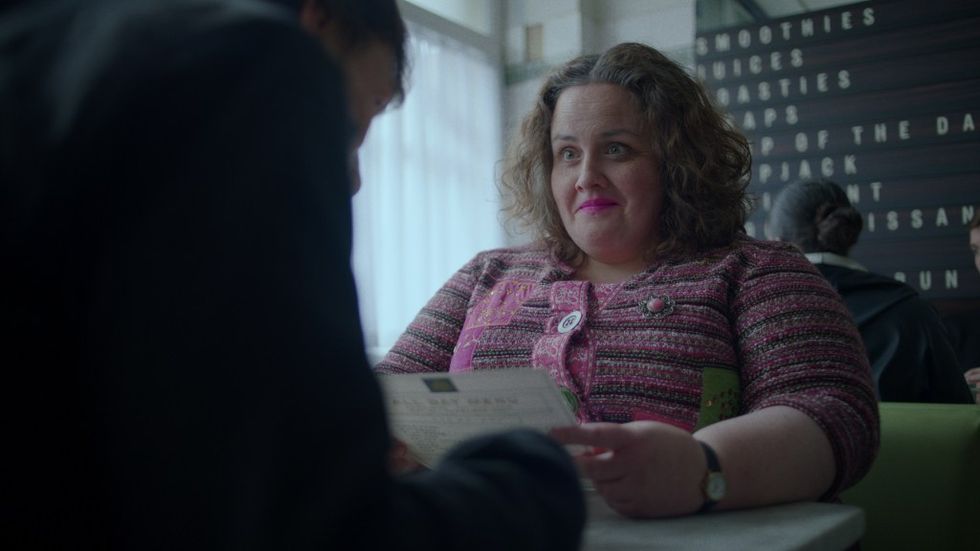
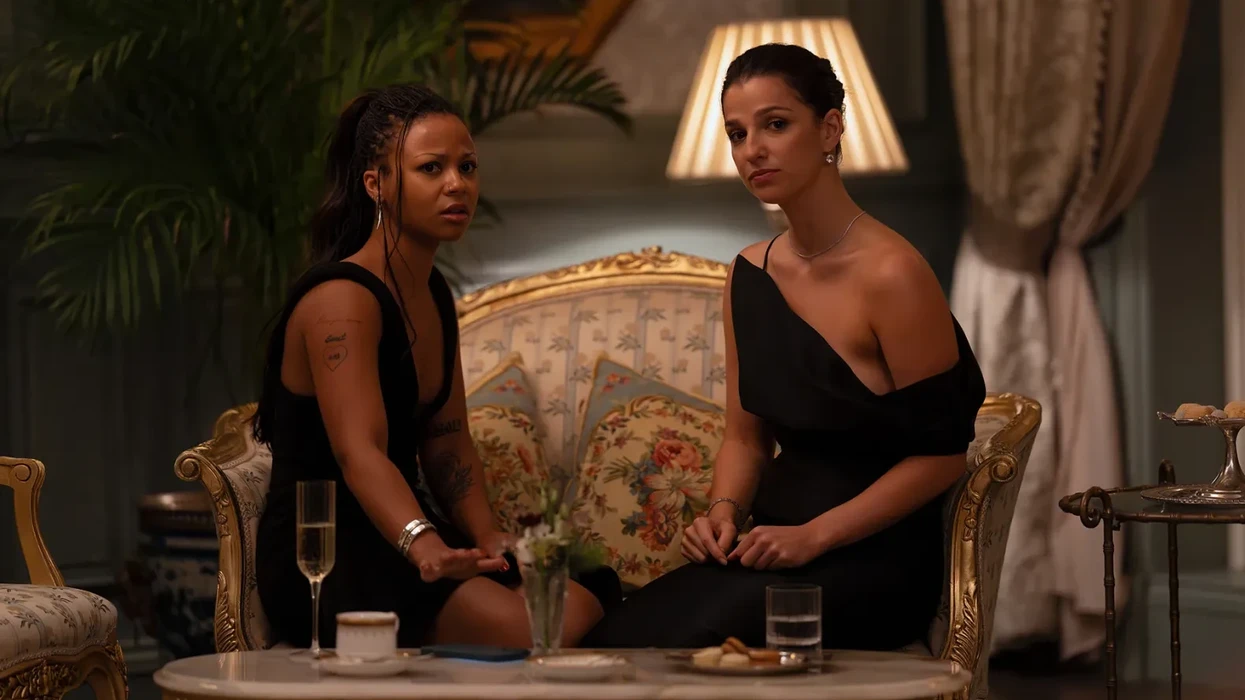
Gunning as Martha

Though Gadd certainly could have obscured some of the identifying details in Baby Reindeer, it’s hard to argue that he didn’t have the right to tell his own story as he experienced it, whether or not it coincides with the version of events put forth by his source of inspiration. While it may make us squirm to watch Donny Dunn masturbate over the thought of having sex with his stalker, the truth is often uncomfortable, and the complex feelings Gadd had for his alleged stalker are no exception. Indeed, part of what makes Baby Reindeer such a remarkable piece of art is how Gadd extends so much more understanding to his abuser than she arguably deserves. 

For all the buzzwords that people reared on the internet use to preach the language of empathy — the importance of respecting boundaries, of not platforming abusers, of amplifying marginalized voices and silencing those who misuse their power — we’re awfully quick to attack when a video goes viral of someone losing their shit on an airplane or yelling at a Target employee. What matters to the online mob in these moments is not, it seems, whether a person is mentally ill or neurodivergent or in the throes of a personal crisis or just having a bad day. What matters is finding out who they are and making sure they are held accountable for their bad behavior, even though what accountability looks like changes on any given day. What matters is declaring a good guy and a bad guy, where both of these roles are obvious and unchanging. 

On the surface, Baby Reindeer may not seem so kind to Martha. But this is a shallow reading of the character. Though Martha is messy, violent, irrational, and occasionally bigoted, she also has moments of genuine charm and vivaciousness, as well as flashes of insight into other people’s lives. “Someone hurt you, didn’t they?” she remarks to Donny, not knowing how accurate she is. Even though she does incalculable harm to people throughout the series, Gadd never fails to remind us of her humanity. It is a nuanced portrayal — one that would not have been possible without Gadd having genuine empathy for the real woman he was writing about. 

It’s ironic, then, that the discourse around this show has centered on demonizing a fiction writer for exercising precisely the level of empathy that most people on the internet lack. It takes integrity to look at the person who’s made your life a living hell and try to find something redeemable in her, something that could help to account for, if not justify, why she became who she is. And it takes courage to share your process of recovery with the rest of the world. We can blame Richard Gadd for cutting corners in not changing certain key details, but we can’t blame him for failing to consider the real-life Martha’s feelings in the process of telling his own story — and hers. He’s not the bad art friend; we are.

More Stories

Marketer Behind Fake Quotes in ‘Megalopolis’ Trailer Dropped by Lionsgate

Marketer Behind Fake Quotes in ‘Megalopolis’ Trailer Dropped by Lionsgate

Eddie Egan, a very real marketing consultant, lost his gig with Lionsgate this week after the studio discovered that quotes he used in a trailer for Francis Ford Coppola’s Megalopolis were fabricated, according to Variety.

The conceit behind the teaser, which Lionsgate recalled on Wednesday, was that critics had trashed Coppola’s masterpieces throughout the decades, so why trust them? Except that the critics quoted didn’t actually write any of the pith. A quote attributed to Pauline Kael that was said to have run in The New Yorker, claiming The Godfather was “diminished by its artsiness,” never ran.

Keep ReadingShow less
Can the Best of Star Wars Survive the Worst of Its Fans?

Can the Best of Star Wars Survive the Worst of Its Fans?

When George Lucas debuted his science fiction epic about a galaxy far far away in 1977, Star Wars went from a long-shot space opera into the highest grossing science fiction franchise of all time. Almost 50 years and one sale to entertainment conglomerate Disney later, Star Wars isn’t just a one-off world. There have been prequels, reboots, stand-alone television series, and an in-depth theme park addition. But like most popular culture, the Star Wars fandom, especially online, has become inundated with loud, conservative, and in some cases, incredibly racist voices. While Disney has never said these voices are directly impacting what shows get made, the vocal minority of Star Wars devotees keep limiting what they’ll accept as true Star Wars. These fans say they’re fighting for Star Wars’ future. But if their endless fantasy world can’t accept any stories that they don’t recognize — some of the self-professed biggest fans in all the worlds could be closing themselves off to any future at all. What is crystal (kyber?) clear is that before Star Wars can have another successful show, the loudest voices online need to realize the Star Wars they want to return to never existed in the first place. Will the real Star Wars please stand up? 

Much of the online discourse around Star Wars has centered on the franchise’s most recent live action projects. First premiering in 2019, these include The MandalorianThe Book of Boba Fett, Ahsoka, Obi-Wan Kenobi, Andor, and The Acolyte. The market has been oversaturated with stories, especially many that occur within the same time frames, with fans frankly, getting tired and in some cases — outright bored. Each of the projects has had its own reception — and own problems. However the low audience scores, angry YouTube rants, and long Reddit threads can really boil down to one question: who determines what’s real Star Wars? First as a film, and then a trilogy, Star Wars established early on to viewers that even when they were focused on a set of powerful twins and a dark Empire, shit was going down on literally every other planet. This freedom has allowed for endless story arcs across decades. But while opportunities have been endless — the patience of fans hasn’t. 

Keep ReadingShow less
Bob Mould and Fred Armisen Help the 8G Band Sign Off ‘Seth Meyers’ With Hüsker Dü Cover

Bob Mould and Fred Armisen Help the 8G Band Sign Off ‘Seth Meyers’ With Hüsker Dü Cover

Bob Mould and Fred Armisen helped the 8G Band close out their tenure as the Late Night With Seth Meyers house band last night.

Mould fronted the group as they tore through a cover of Hüsker Dü’s classic, “Makes No Sense At All,” from the pioneering punk group’s 1985 album Flip Your Wig. Armisen, meanwhile, took his spot behind the drums and belted backing vocals alongside keyboardist Eli Janney, guitarist Seth Jabour, and bassist Syd Butler.

Keep ReadingShow less
J Balvin to Make Acting Debut in Crime Drama About a Fishing Village-Turned-Smuggling Hub

J Balvin to Make Acting Debut in Crime Drama About a Fishing Village-Turned-Smuggling Hub

J Balvin will make his big screen debut as an Interpol investigator digging into a drug smuggling operation in the upcoming film, Little Lorraine, according to Variety

The film appears to be loosely based on real events in the Eighties, and will chronicle how a far-flung fishing and mining village in Nova Scotia became a hub for cocaine smuggling. Balvin’s Interpol investigator is drawn up north while investigating a Colombian drug ring suspected of moving product through the area.

Keep ReadingShow less
Watch Jon Stewart Recap the Democratic National Convention: ‘What a Night for Kamala Harris’

Watch Jon Stewart Recap the Democratic National Convention: ‘What a Night for Kamala Harris’

Kamala Harris accepted the Democrats’ nomination for president last night at the Democratic National Convention in Chicago, but not without some commentary from Republican nominee Donald Trump. Jon Stewart had some thoughts about all of it as he broadcast The Daily Show live from the DNC, ultimately concluding that Trump has “morphed into a poor man’s cat turd.”

During the episode, Stewart started off by addressing the disappointment from fans that Beyoncé didn’t show at the convention. Joking that there would be a special guest, he showed a clip of Michigan rep Elissa Slotkin at the DNC. “You thought it was Beyoncé because everyone thought that it was going to be Beyoncé coming out there, but it was Slotkin all along,” Steward confirmed. “Everybody knew.”

Keep ReadingShow less