
 Across Canada, country music is synonymous with gatherings. It lives in the dust of a summer rodeo, the sticky floor of a neighborhood dive bar and the reverberating rafters of an arena filled with thousands of voices singing back every word. While most of the music industry spent the last decade adapting to a digital-first reality, country music continues to derive its power from physical spaces.
In an age of algorithmically generated playlists, the true currency of the genre remains the shared experience.
In an age of algorithmically generated playlists, the true currency of the genre remains the shared experience. That communal spirit is a major reason why country has become one of the fastest growing cultural movements in the country. Through initiatives like Bud Light’s ongoing support of live country music, the connection between artists and audiences continues to be strengthened beyond the stream and into the venues, festivals and tours where fandom is built. A new wave of homegrown talent, led by artists like Josh Ross, Owen Riegling, and James Barker Band, has reshaped the sound by weaving contemporary influences into traditional songwriting. In doing so, they have broadened the appeal of the genre, drawing in listeners who might never have called themselves country fans ten years ago.
Yet, while the audience has expanded, the journey to get here has grown far more complex.
The traditional blueprint for launching a country career was simple enough. Write good songs, get on the radio, hit the highway and hope people showed up. Today, those fundamentals still matter, but they are stacked on top of a relentless new set of demands. Modern artists are expected to go viral on social media, drive millions of global streams and maintain an exhaustive touring schedule, often all at once.
For Canadian artists trying to break through at home while competing on a global stage, talent alone is not enough. They need a functional, resilient ecosystem behind them.
That support system has never relied on a single player. It takes labels to nurture raw talent, managers to plot long term strategy, promoters to take financial risks and festivals to introduce acts to new crowds. But as the cost of touring rises and the market becomes more crowded, a new dynamic has entered the frame: strategic brand partnerships.
Historically, brand involvement in live music meant little more than a logo slapped onto a festival mainstage poster. Today, that dynamic is shifting toward meaningful infrastructure. Brands are increasingly recognizing that supporting music means supporting the tour bus, the venue and the stage itself, which are the places where long-term careers are actually built.
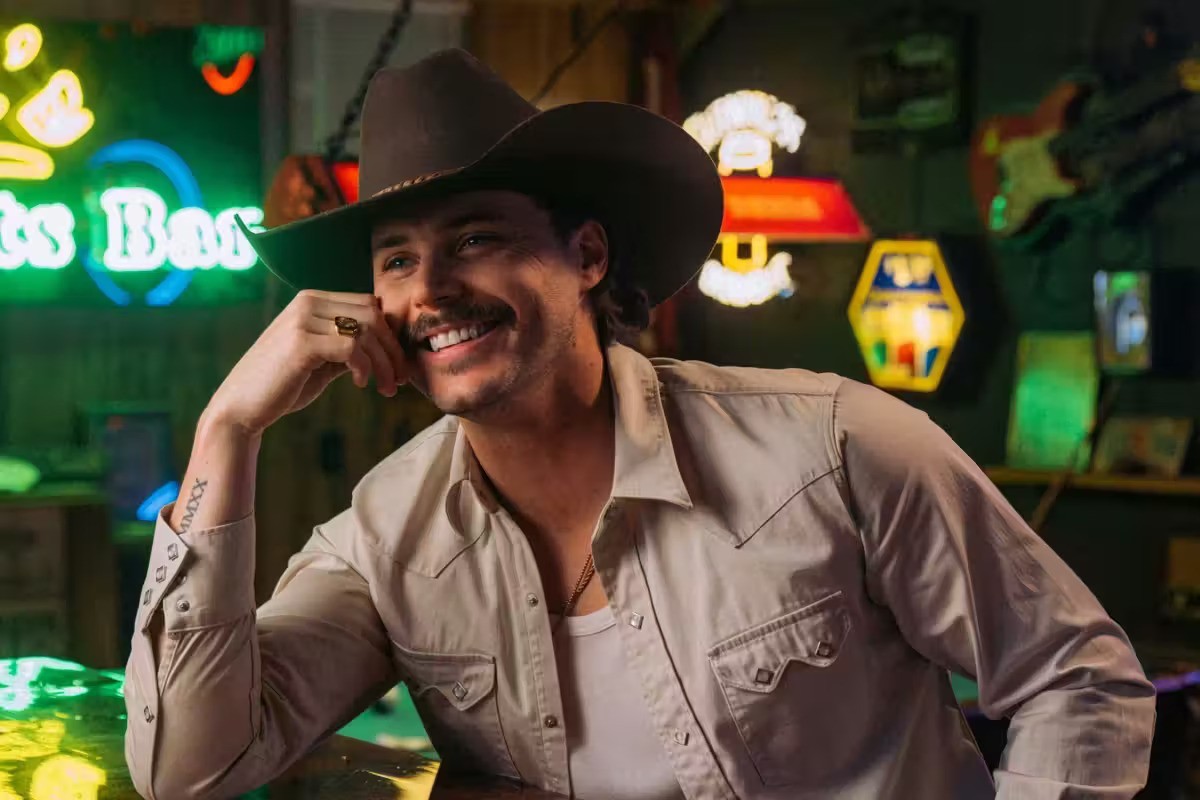
The ongoing partnership between Universal Music Canada and Bud Light Canada, for example, illustrates how this plays out on the ground. Now in its third year, their collaborative platform, the Bud Light Buckle Up Tour, was designed specifically to put rising Canadian country-music talent in front of live audiences across the country. Instead of funding a single, one-off event, the initiative has provided sustained touring support year after year, backing Owen Riegling in its inaugural run, following up with James Barker Band and most recently Josh Ross.
As part of the broader Bud Light Presents Later Tonight Tour for Ross, the Buckle Up Tour stops in cities like Toronto, Banff, Medicine Hat and Calgary do more than just sell tickets. They create intimate, high-impact touchpoints that bring artists and fans face-to-face in markets that are critical to building a lasting domestic fanbase.
The timing could not be better. While a hit single might capture millions of casual streams overnight, streaming data alone rarely sustains a career across multiple decades. In country music, real loyalty is not measured in monthly active listeners. It is measured in miles traveled, stages played and audiences won over night after night. Touring is where casual listeners turn into diehard fans who buy tickets, wear the shirts, and pass the records down to their friends and kids.
As the Canadian country scene continues its rapid expansion, keeping that live infrastructure strong is essential. Sustained investment from industry partners, brands and fans ensures that home grown artists build the kind of foundation required to sustain a lifelong career.
For a genre built on storytelling, that face-to-face connection remains its absolute greatest asset. Chart positions will come and go, but long after a song leaves the top forty, the memories that stick are the ones made in the crowd. As Canadian country music enters its next major era, its future will not just be streamed. It will be lived on the road.