
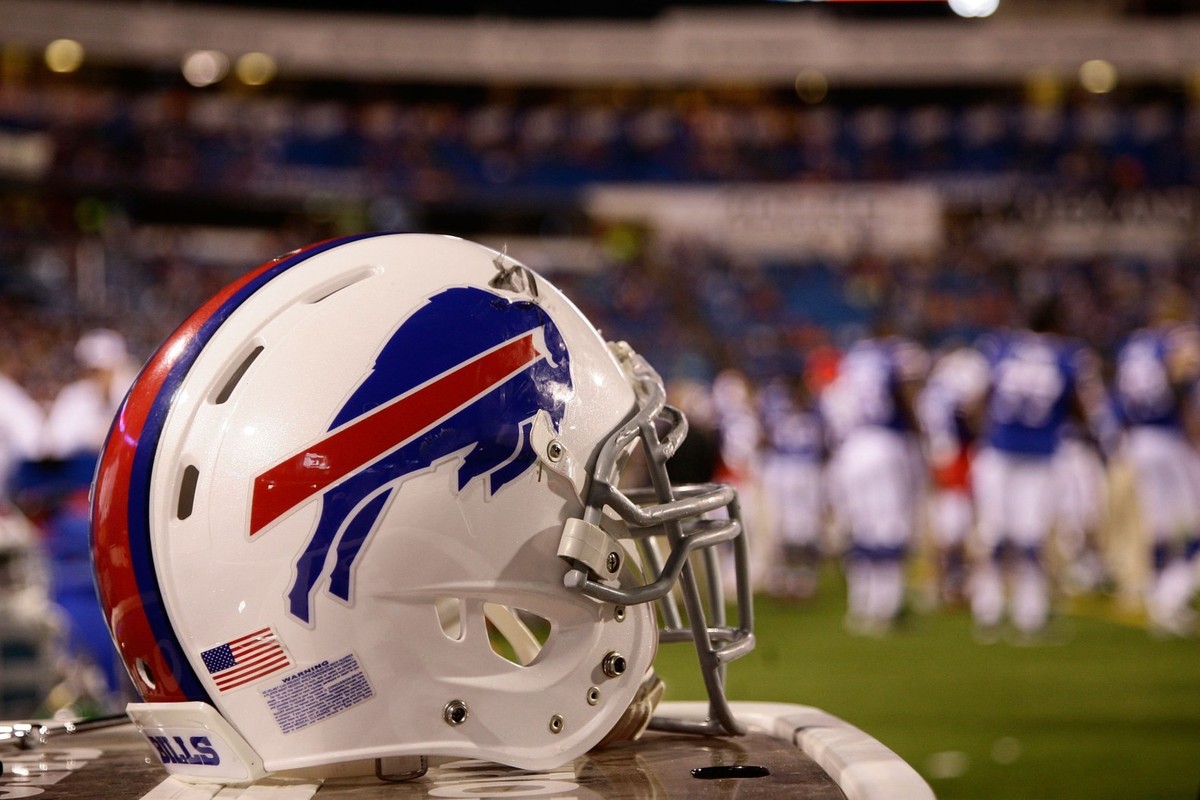

The NFL season is finally on and the Buffalo Bills, and their fans, hope this year will be theirs.
Given the proximity of the city of Buffalo with Canada, a 20 minute drive across the Niagara, the Bills have long been deemed ''Canada's team'', as fans regularly cross the border to celebrate the blue and white. Amid a trade war and increasing tension between Canada and the United States, the team decided to lean into their fanbase and celebrate the friendship between the two countries by playing both national anthems at their opening home game against the Detroit Lions.
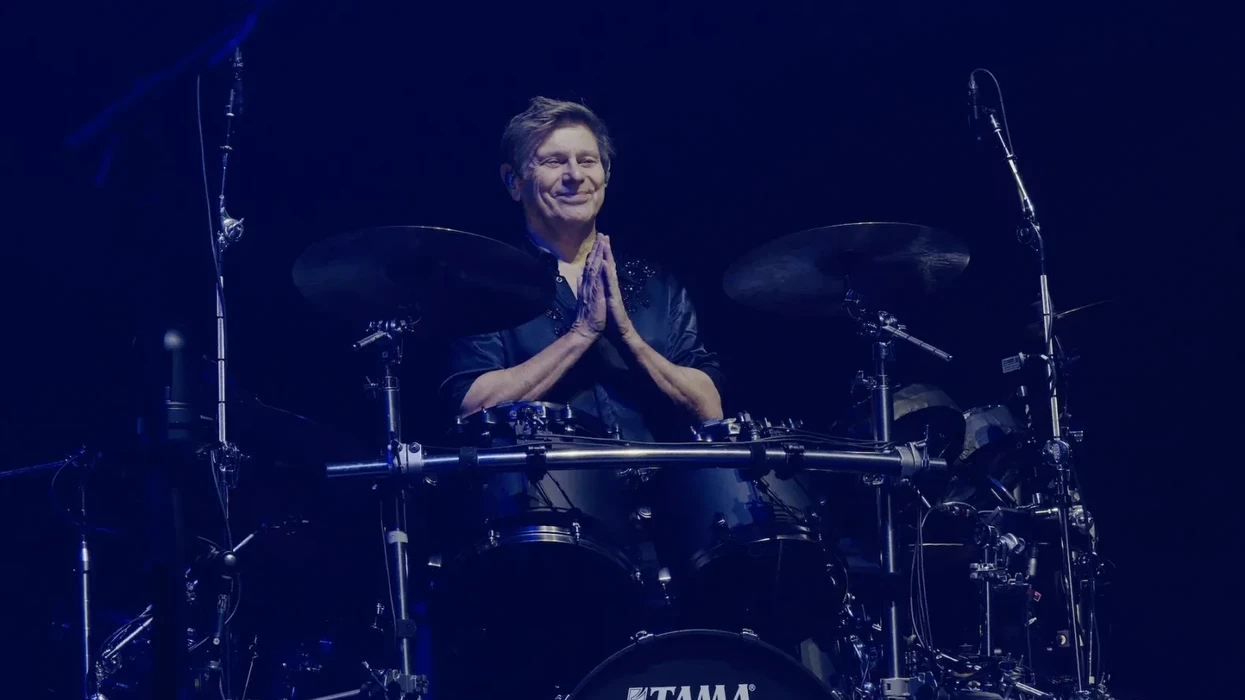
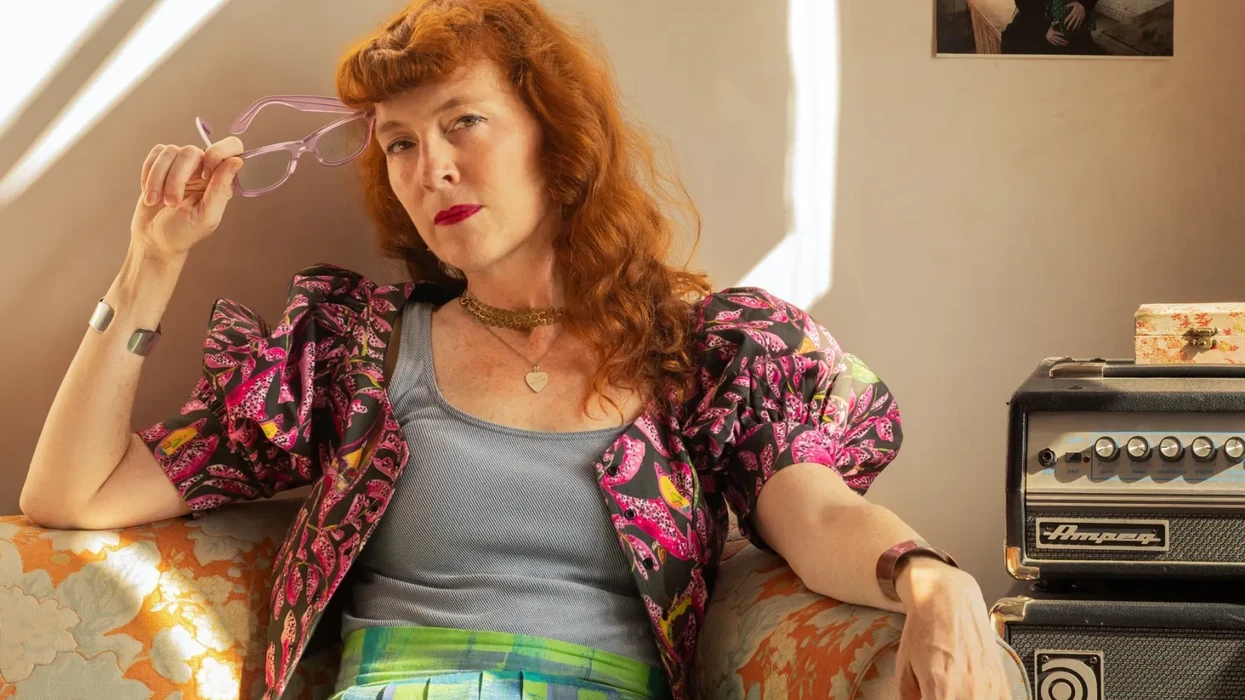
To perform 'O Canada', they enlisted Scarborough's own Barenaked Ladies. Their acapella rendition of the anthem, however, drew mixed reactions from the crowd and people watching at home.
Wayward, quavering voices and discordant harmonies make it an awkward listen for anyone familiar with the anthem or the band.
Almost immediately, users across the internet started to post comments and ask questions. Americans, mainly, were wondering exactly who the Barenaked Ladies are, and Canadian users were quick to explain and apologize.
''Yeah that was pretty bad. Sorry, love those guys and love they got that moment, but damn…'', said one Reddit user. ''The absolute worst rendition of the Canadian anthem I have ever heard. It was like they didn’t practice at all. One of them couldn’t decide which pitch they were going to sing in'' wrote another.
On X, the reactions were also mixed. ''shoutout to the bills for playing o canada but please god take the microphones away from the barenaked ladies'' said one person, while another added ''That was painful to listen to.''
Despite the performance of the anthem, the Bills had an overall good game, their first in their brand new stadium, taking a 41-31 win over the Lions.






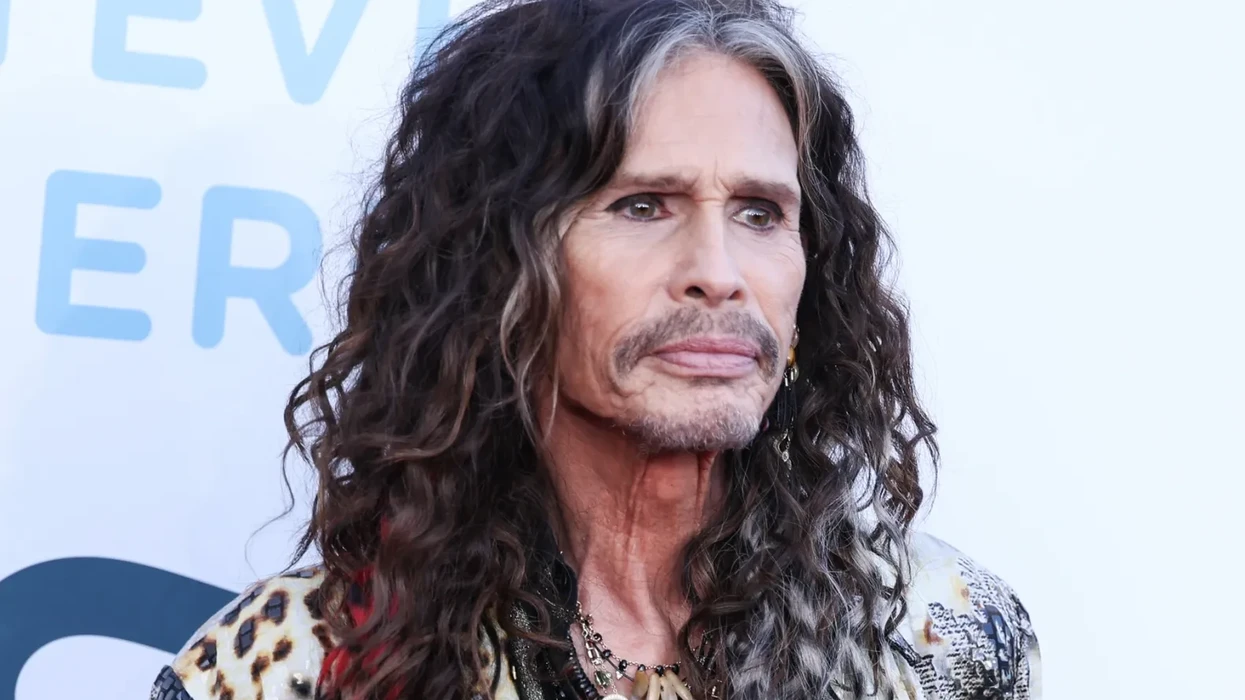
Elliott Smith in 2003.
Why Is Everyone So Mad at Supreme’s Elliott Smith Collaboration?
Earlier this week, Supreme announced an Elliott Smith capsule collection, including a selection of jackets and T-shirts featuring artwork from across the late musician’s career, from his self-titled 1995 album to his seminal 1997 album Either/Or to 1998’s XO and 2000’s Figure 8.
The internet seems to be in a huff over this, relying on a view of Supreme and streetwear frozen in 2008 that was, even then, embarrassingly myopic. The line of thinking goes that Supreme, the brand that was founded in New York in 1994 by designer James Jebbia and that has been a staple in skate and streetwear culture ever since, is an inauthentic purveyor of the ethos represented by Smith and his music. One might cite the brand’s roughly $500 million investment from the Carlyle Group in 2017 or its association with high fashion as disqualifying characteristics. More than anything, there seems to be a sense that taking shots at a nearly 40-year-old streetwear institution is a way to prove one’s unsullied dedication to a sense of anti-consumerism. The anger is misplaced.
In a culture awash in goofy collaborations and corporate cash grabs, Supreme might be one of the few brands still operating from an actual set of beliefs. Its Elliott Smith capsule (which was made with permission from Smith’s estate) is in a long line of collaborations that Supreme has done with musicians. Its first artist collaborator was Rammellzee, the experimental rapper and visual artist whose relationship with the brand dates to 1994, the year Supreme opened. By 2005, Raekwon was posing with a Tickle Me Elmo for the first of Supreme’s commissioned portrait T-shirts. Across its music collaborations, portrait tees, and tributes, the list includes everyone from Michael Jackson to the Velvet Underground, Nirvana, Butthole Surfers, My Bloody Valentine, Daniel Johnston, Aphex Twin, and SALEM.
There have been collections with record labels like Stax, Wackies, Rap-A-Lot, Ruff Ryders, Jah Life, and Duck Down, the last of which put Black Moon and Smif-N-Wessun’s album artwork on clothes. There are shirts and shoes with Peter Saville’s artwork for Joy Division and New Order. The Smith collaboration is so patently in the wheelhouse of what the brand has done for decades that bringing it up now as some sort of “gotcha!” feels more like a product of social media’s tilt towards rage-bait than any defense of an artist.
Elliott Smith, who died in 2003 at 34, has long been a part of skate culture. He was friends with Mike Mills, the skateboarder and filmmaker who designed graphics for Stereo and one of Supreme’s early logos. Mills worked on unused cover art for Figure 8 and later enlisted Smith to record music for his film Thumbsucker. And Smith’s music has been celebrated in the world of skateboarding for many years now. Mark Baines skated to “Happiness” in Blueprint’s Waiting for the World in 2000. Nate Broussard used “A Distorted Reality Is Now a Necessity to Be Free” in Static III in 2007. Dylan Rieder skated to “Coast to Coast” in Alien Workshop’s Mind Field in 2009, and Mark Suciu used “Junk Bond Trader” in Cross Continental in 2012.
Arguing that he would have hated the collaboration, aside from being infantilizing, completely ignores the actual culture around Elliott Smith when he was alive, instead opting for some abstract representation of a person who actually existed in the real world — a particularly Gen Z problem, to be frank.
With these collaborations, estates and relevant parties are always compensated. And that actually matters in an era where an artist can remain a staple for young people for generations, long after they’ve died, while reaping diminishing returns thanks to the paltry payouts from streamers. Meaning, short of throwing him onstage as a hologram or doling out money-grabbing box sets, a tasteful collection with a brand with a real connection to his work is actually one of the better options that exists.
People who want to be mad at Supreme want to separate themselves from some sort of mainstream idea of cool. They want to believe that they have an authenticity that Supreme doesn’t. Sorry to say, the reverse is more likely true. Just last week, Business of Fashion published a report on the brand’s cultural durability. “Supreme isn’t cool anymore” is, in fact, a very uncool thing to say in 2026. And beyond that, the people inside the company are coming from an ethos that has remained steadfast in actually supporting youth culture.
To sit on the outside now and pretend that you’re such an authentic Elliott Smith fan that you’re upset by this is simply to expose how out of touch you are.