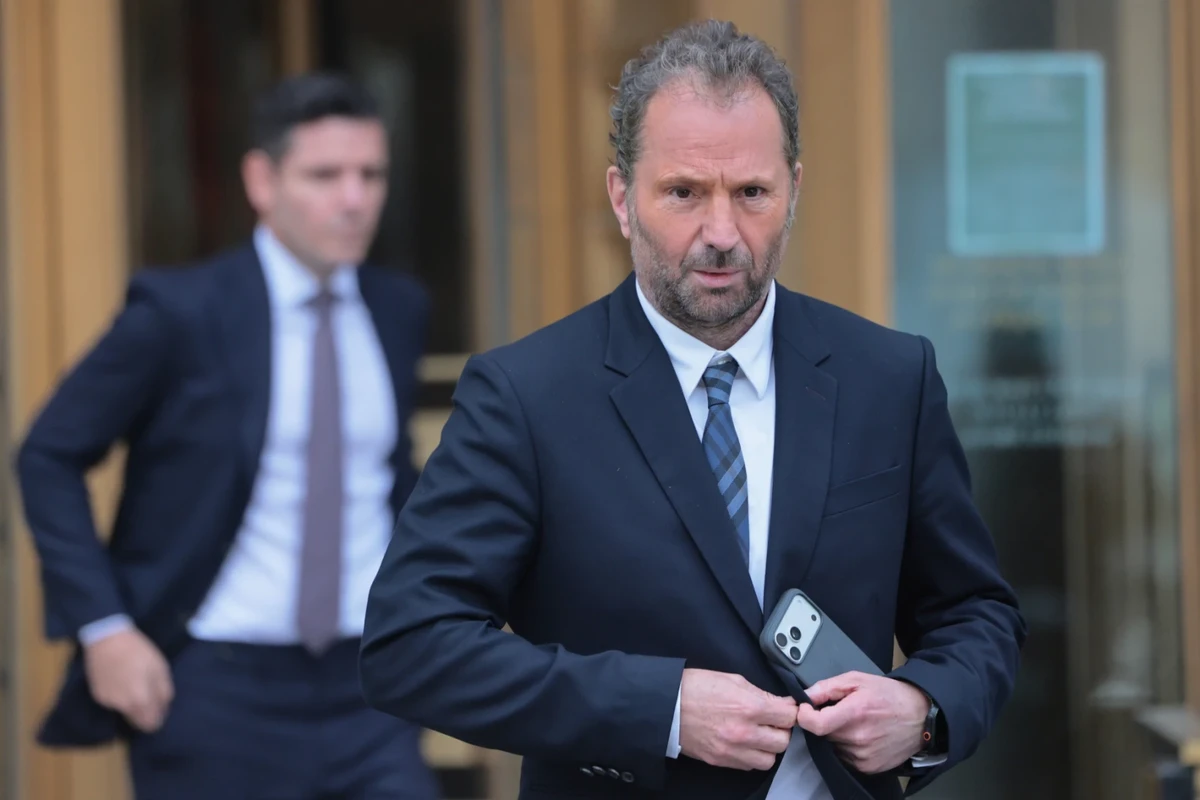

Live Nation CEO Michael Rapino was pressed on everything from lawn chair prices to allegations of retaliation while testifying Thursday in the live entertainment giant’s antitrust trial.
While on the stand, Rapino faced questions about Live Nation and Ticketmaster’s business model and industry dominance. Trying to portray the company as an unparalleled powerhouse able to shape the live entertainment world as it pleased, Jeffrey Kessler, the lawyer representing the states pursuing the case against Live Nation, ran with Rapino’s own comments from a 2019 deposition, where the CEO said the company had “built an incredible moat around the castle of Live Nation.”
Rapino refuted Kessler’s claim that this had anything to do with long-term exclusive contracts that locked out competitors in the ticketing and promotions space. Rather, he insisted the company, like all businesses, was just trying to “build a better mousetrap.” And their business model — one that includes ticketing, promotions, and venue ownership — was no different than its competitors.
The day featured several notable exchanges, including one back and forth on arguably the most explosive bit to emerge from the trial so far: A series of messages between two Live Nation employees who boasted about “robbing” fans blind and “taking advantage of them” with high parking fees. Rapino disavowed the messages between Ben Baker and Jeff Weinhold, calling them “disgusting” and “not the way we operate.” (Asked if Baker had been disciplined yet, Rapino said no, but that he would “deal with it this week.”)
Kessler then asked Rapino whether raising prices and fees like this was a decision he endorsed. Rapino said such choices were usually left to division heads, but noted that amphitheaters relied on ancillary fees to generate revenue because much of the ticket price went to the artists.
A few moments later, Rapino was asked about another such revenue stream: the $7 million Live Nation made from lawn chair rentals after 12 of its amphitheaters banned fans from bringing their own. Rapino said outside chairs were banned for safety reasons, and did not think think the additional $15 rental was, as Kessler put it, “outrageous.”
One of Kessler’s key themes was “choice,” and whether Live Nation leaves artists and venues much flexibility when it comes to ticketing and promotions. Asked about a run of Radio Disney shows that wanted to use Live Nation venues without its promotional services, Rapino said the company didn’t allow it because he didn’t want to set a precedent.
Kessler also quizzed Rapino on a change to a Ticketmaster policy that allowed artists to sell eight percent of their tickets to fan clubs. Rapino said they’d “modified” the rule to ensure artists didn’t use another ticket supplier, even claiming some rival ticket companies were pretending to be fan clubs.
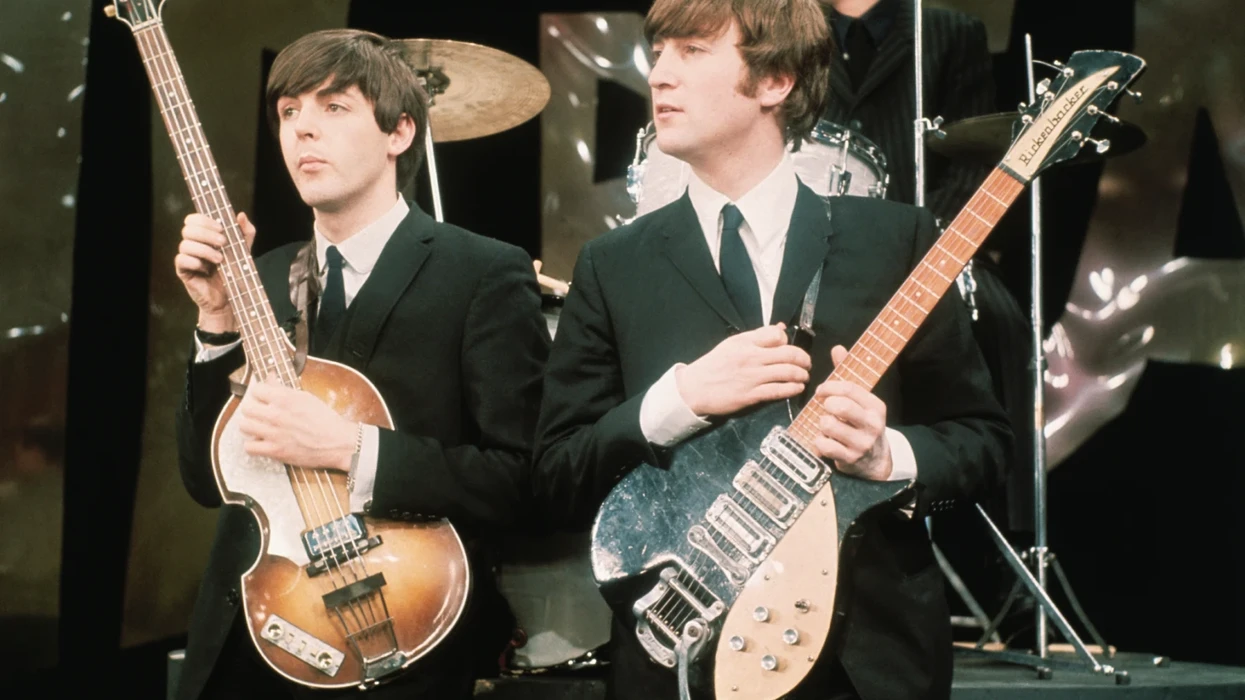
In one instance, Rapino acknowledged that Live Nation didn’t allow Paul McCartney to sell fan club tickets through SongKick, a site for finding concerts (“We don’t let ticket companies get tickets we acquired,” he said). And when Kessler pressed him on why Adele wasn’t allowed to sell tickets to fans direct, even after offering to pay the fees herself, the CEO replied: “We wouldn’t say no to Adele. We said no to the ticketing company.”
When it came to venues and ticket suppliers, Rapino denied that Live Nation limited the choices of venue owners. He pushed back on the assertion that Live Nation pressures venues into exclusive contracts with Ticketmaster, in part by threatening to withhold concerts from those venues. Rapino said he had heard such allegations, but insisted, “We don’t do that.” He also said venue owners prefer long-term contracts, and suggested he didn’t have much sway over the billionaires who own the sports teams and arenas that host Live Nation concerts and use Ticketmaster.
“I don’t tell the billionaire what to do with his venue,” Rapino said. “He tells me.”
Though the exchanges between Kessler and Rapino were often contentious, a few goofier moments cracked the tension. On a few occasions, Rapino accidentally spoke over, or after, his own counsel’s objections to Kessler’s questions. One was about whether Rapino had told a competitor that buying a New York City club would cause problems in their relationship. Live Nation’s counsel objected, the judge sustained it, but Rapino nevertheless answered, “Yes.” Amid laughter, the CEO called it “a freebie.”
Rapino was, of course, given much more time to plead his company’s case during cross-examination. He portrayed Live Nation as a friend to artists that had taken what was, two decades ago, a “fragmented” industry and “put the pieces together to make this a very global, attractive business for artists.” Touting the $15 billion Live Nation paid to artists in 2025, Rapino argued that the company needed the other parts of its business (which the states claim comprise its monopoly) to balance out the risks of putting on a show and turn a profit.
While on the stand, Rapino also got the chance to counter the states’ framing of one of its key pieces of evidence: A contentious 2021 phone call between Rapino and John Abbamondi, former head of the Barclays Center in Brooklyn, over the venue’s decision to switch from Ticketmaster to SeatGeek. During the call, Rapino told Abbamondi, “It was, you know, going to be a tough time to deliver tickets or concerts, with a new competitor in town, regardless of ticketing.” Abbamondi previously testified that he interpreted this as a “maybe not-so-veiled threat that it would be difficult for them to put concerts in Barclays Center.”
But on the stand Thursday, Rapino denied this. He said he was merely trying to remind Abbamondi that there was already going to be increased competition for concerts in the New York City area because of the opening of a new venue on Long Island. He also argued that it was Abbamondi who brought Live Nation and promotions into a conversation that was otherwise about ticketing. Rapino said this move made it “obvious” what Abbamondi was up to: an “entrapment strategy.”
When Kessler got the chance to question Rapino one last time on redirect, he opened with a series of questions about whether Rapino was aware that Live Nation executives had threatened venues that didn’t use Ticketmaster. Rapino said, “I know some of those emails exist,” adding “there have been a few wild emails.”
The Live Nation trial began earlier this month and is expected to last through early April. During Thursday’s hearing, Kessler said the states expect to rest their case next week, at which point Live Nation will take over.
The case was originally led by the Department of Justice, which sued Live Nation in May 2024. While Live Nation was unable to get the suit dismissed before the case went to trial, the company reached a shock settlement with the DOJ one week into proceedings. As part of the deal, Live Nation agreed to several concessions involving its ticketing and amphitheater business, but critics said the settlement did not go far enough, with many continuing to call for Live Nation and Ticketmaster to be broken up.
While seven states signed onto the DOJ’s settlement, more than 20, plus Washington D.C., continue with the case. The trial resumed on Monday.