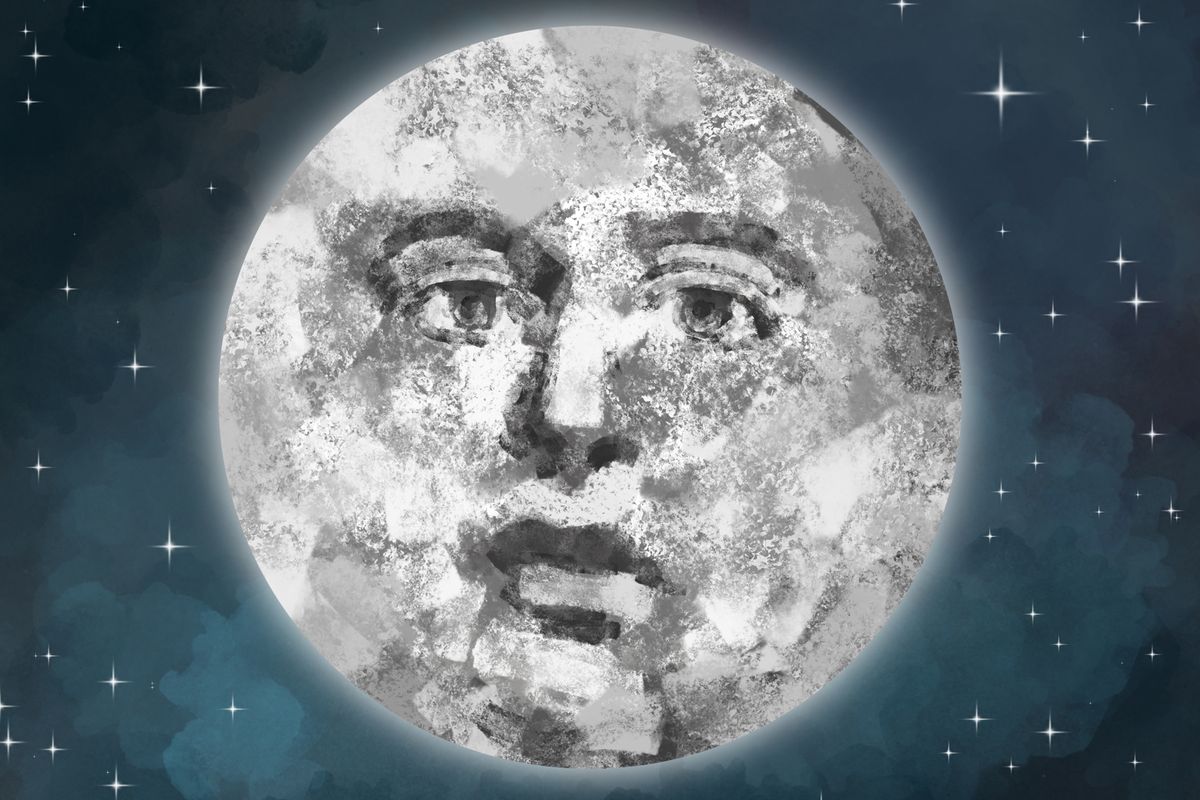

After convincing people that mold exposure or postural orthostatic tachycardia syndrome (POTS) were to blame for their fatigue, brain fog, anxiety, and headaches, TikTok’s latest mass diagnosis is facial swelling and puffiness known as “moon face,” caused by high levels of the stress hormone cortisol. Along with the popular awareness-raising before-and-after videos, unqualified wellness influencers are also proffering a range of supposed cortisol-reducing remedies, ranging from useless to common sense.
While “moon face” is a real symptom of a real condition known as Cushing’s Syndrome — which does result from elevated levels of cortisol — it’s a challenging diagnosis for even seasoned endocrinologists. On top of that, treating it involves more than simply taking supplements, cutting out caffeine, or doing some stretches in the morning, as many TikTokers seem to suggest. So how common is “moon face,” and what does it actually take to get rid of it? Rolling Stone spoke with an endocrinologist, a plastic surgeon, and an internal medicine physician to find out.
What is ‘moon face’?
The lunar-sounding symptom refers to “a round, puffy face that often has a ruddy complexion,” says Brian Burtch, MD, an endocrinologist at University Hospitals in Cleveland.
Moon face can result from a combination of swelling, water retention, and fat deposits, says Joel Kopelman, MD, a facial plastic surgeon in New York City. “In cases of high cortisol levels, such as with Cushing’s Syndrome, these changes are often due to fluid retention and fat redistribution,” he tells Rolling Stone. “It’s a multifaceted issue, and understanding the underlying cause is key to effective treatment.”
Kopelman says that he’s seen an increase in the number of patients seeking treatment for “moon face” at his Park Avenue practice, noting that social media sites like TikTok and Instagram play a significant role in this trend. “These platforms often highlight beauty standards and trends that can make individuals more aware of and concerned about their appearance,” he says. “Other contributing factors include increased general awareness of cosmetic procedures and the broader acceptance of aesthetic treatments in society. It’s a combination of these influences that seems to be driving the uptick in consultations for ‘moon face.’”
When patients come to Kopelman concerned about “moon face,” most are looking for some type of fat reduction, like liposuction or buccal fat removal. “However, I always recommend a thorough evaluation by a healthcare provider to determine the underlying cause,” he says.
What causes ‘moon face’?
Moon face is most closely associated with Cushing’s syndrome, “which basically means that you have too much cortisol,” Burtch says. “But the bigger question becomes, ‘why is that?’”
Cushing’s syndrome can be caused by something within the body producing too much cortisol — like a pituitary or adrenal tumor — or an outside source, like a medication. In addition to moon face, Cushing’s syndrome can also cause what’s called a “buffalo hump” on the back of the neck, “supraclavicular fat pads” on the collarbone area, a large abdomen that may look like someone has a basketball under their shirt, thin skin almost the texture of paper, and severe purple stretch marks on their abdomen, Burtch explains. Women may also have hirsutism, or dark, coarse hair growing on parts of the body that are typically hairless. “These symptoms will often present with muscular weakness, especially in the shoulders and arms or the thighs,” he says.
When Burtch’s patients have Cushing’s syndrome and the associated moon face, he says that it’s often because they’ve been on high doses of steroid treatments — like prednisone, hydrocortisone, or dexamethasone — for several months, for conditions like asthma, rheumatoid arthritis, or inflammatory bowel disease.
According to the National Institute of Diabetes and Digestive and Kidney Diseases (NIDDK), more than 10 million Americans take this type of steroid medication each year, but it’s not known how many develop Cushing’s syndrome. The NIDDK estimates that between 40 and 70 people out of every million in the U.S. end up with the condition because their body overproduces cortisol.
While high cortisol levels are a factor in some cases, they’re not the root cause of everyone’s puffy face, Kopelman says. “As a facial plastic surgeon, I’ve noticed that ‘moon face’ is not as widespread as TikTok might lead you to believe,” he explains. “Social media has a way of amplifying health concerns, sometimes leading individuals to believe they have certain conditions when they do not.”
In those cases, it may be something called “pseudo-Cushing’s,” which Burtch says can result from things like depression, alcohol abuse, and severe obesity. “In those settings, when our body is stressed, we’re going to make more cortisol, and that cortisol helps maintain our energy, our blood pressure, [and] our blood sugar,” he explains. But these shorter-term increases in cortisol from stress or pain aren’t going to trigger the syndrome itself — that would take “prolonged levels of high cortisol,” he says. “If a person is suspicious of this, they should really consult with their physician.”
Cortisol levels can be tested by a doctor through blood, urine, or saliva samples, says Raj Dasgupta, MD, a physician specializing in internal medicine, pulmonology, critical care and sleep medicine, and the chief medical advisor for Fortune Recommends Health. “It’s best to speak with your doctor who can order the correct tests and interpret the results for you,” he tells Rolling Stone.
“If you have moon face, the question you have to ask is why,” Burtch says. “Is it a medication you’re taking? Do you have some kind of illness? Are you depressed? Are you abusing alcohol? You have to figure out what the cause is first before you can figure out what the right treatment is.”
What is TikTok suggesting?
In a video with more than 1.1 million views, TikTok user cortisol.mama flashes dramatic before-and-after visuals of herself with and without “cortisol face” — a transformation she claims is the result of drinking a wellness product called “Happy Juice,” sold through a company of which she is a representative. As it turns out, a significant number of these before-and-after TikTok videos offering ways to reduce cortisol levels are essentially ads for products like gua sha tools, magnesium bicarbonate water, adaptogens, and other supplements that don’t treat the root cause of moon face.
Other influencers take a different approach: recommending generic, common-sense wellness tips for getting rid of moon face — like eating a high-protein, low-carb diet, doing mixed forms of exercise, and getting more sleep — then offering services they offer, like fitness, nutrition, or “wellness” coaching. Some frame their videos around the fact that women’s health concerns are often overlooked or dismissed by doctors, suggesting that moon face, as well as other issues like hair loss, weight gain, and eye twitching are the result of high levels of cortisol, and matters that can be taken into your own hands.
“Many of these people are very good presenters and very smooth, and they make these concepts seem very easy when they’re really very complicated,” Burtch says.
While some of the remedies that TikToker have suggested aren’t unreasonable for a healthy lifestyle — like intermittent fasting and strength training — Burtch points to the lack of empirical evidence demonstrating that other strategies like hot and cold therapy and breathing techniques actually help decrease cortisol levels.
While health-influencer-recommended supplements like L-theanine, Shilajit, magnesium glycinate, electrolytes, adaptogens, medical mushrooms, and ashwagandha “may have some role” in reducing cortisol levels, “it’s important to remember that they aren’t FDA-regulated, and so you really need to talk to your healthcare provider about using them, where to get them, and whether they can interact with medicines you may be taking,” Burtch says.
Similarly, cutting out caffeine and taking a hot bath before bedtime “may help lower cortisol levels for some,” but aren’t targeted treatments, Dasgupta says. And drinking magnesium bicarbonate water “is unlikely to have a significant impact on cortisol levels or moon face, and doesn’t have strong scientific backing,” Kopelman explains.
TikTokers also suggest techniques like gua sha, lymphatic drainage, facial reflexology, and vagal toning, which Kopelman says might improve circulation and temporarily provide relief from swelling and puffiness, but “are not cures for high cortisol levels.” Along the same lines, reducing your salt intake “can help reduce fluid retention, which may improve facial puffiness, but similar to the other ‘at-home’ treatments, it doesn’t address the underlying causes [of moon face],” Dasgupta adds.
That said, for many people, simply having a morning routine or becoming more active can benefit their mental health, and, in turn, reduce their stress levels, he explains. “So indirectly, some of the stuff can work, whether there’s a lot of scientific basis or not,” Burtch says.
Ultimately, the most effective way to address facial swelling or moon face is to speak with your healthcare provider so that they can treat the underlying cause, Dasgupta says. “This could involve medication adjustments, hormone therapy, or lifestyle changes, depending on the specific cause,” he adds.
While managing stress through healthy lifestyle changes can help lower cortisol levels, Kopelman says that “it’s not advisable to rely solely on TikTok strategies or self-diagnosis” because “self-treatment based on social media trends can be ineffective and even harmful, so professional guidance is always recommended.”
But TikTok videos aren’t completely useless: Burtch says you can use them as a jumping off point for a conversation with your healthcare provider.
“Doctors aren’t caught off guard when somebody says, ‘Hey, I saw this on TikTok, or on Facebook, or in this article,’” he explains. “We’re not going to be put off by that. I always tell patients, ‘I’m glad you’re comfortable coming to me with this, because I’d rather you ask me about it than you just do it on your own.’”








 David Manheim and Hunter Biden Courtesy of David Manheim
 Koko checks a tracker map for Flock locations. Jack Crosbie for Rolling Stone
 Flock surveillance cameras can be seen in a northern Virginia neighborhood. Jack Crosbie for Rolling Stone
 Inside Koko’s home, a Pelican case is full of electrical gear. Jack Crosbie for Rolling Stone
 Flock camera will take photos of pedestrians even at night. Jack Crosbie for Rolling Stone