
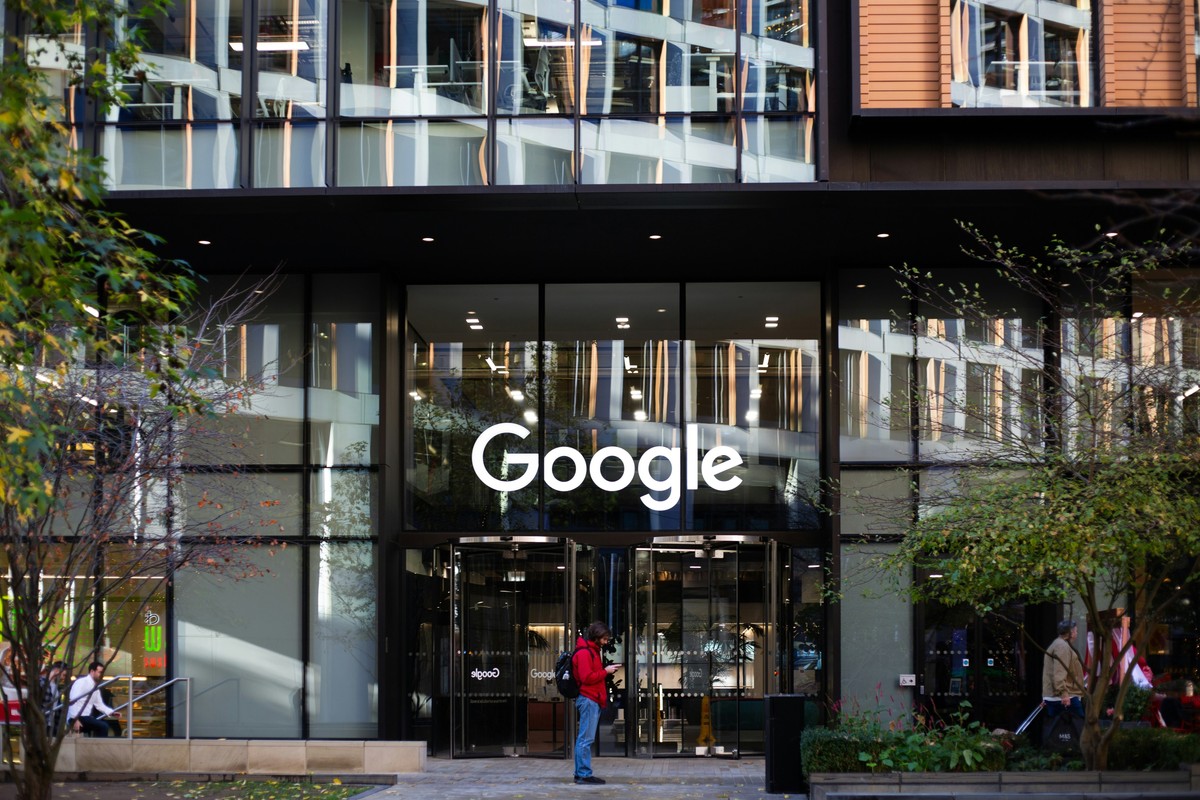

Google wants to add another layer of age checks as governments and tech companies move toward tighter restrictions on Canadian minors online.
The company says its AI-powered age estimation system will begin rolling out gradually in Canada in the coming days. Users won’t have to provide new information upfront, as Google’s model will analyze signals already connected to an account, including the kinds of searches a person makes and the categories of videos they watch on YouTube.
If Google determines that an account likely belongs to someone under 18, it will automatically apply additional protections across its services. Those can include turning off personalized advertising, disabling Google Maps Timeline, restricting access to adult-rated downloads on Google Play and adding digital-wellbeing measures such as break reminders on YouTube. The company has also said its system can add safeguards around content recommendations.
If an adult is incorrectly classified as a minor, they can challenge the result by verifying their age with a government-issued ID or a selfie. Jeanette Patell, Google Canada’s director of government affairs and public policy, said the company is not collecting new information that is not already associated with users’ accounts.
The rollout comes as Canada considers its own rules for protecting children online. The Liberal government’s proposed digital safety legislation, Bill C-34, would require social media platforms to temporarily block access for users under 16. The bill has not yet become law, and Ottawa has not settled on a specific approach to age verification.









 David Manheim and Hunter Biden Courtesy of David Manheim
Everybody Likes Drake Again. That Means We’re Healing