
In the summer of 2022, members of the Sheriff’s Department in Adams County, Ohio, raided Afroman‘s home with a warrant on suspicion of drug trafficking and kidnapping. After busting down his door and ransacking his home, armed officers found neither drugs nor any signs of a kidnapping. No charges were filed.
Following the debacle, Afroman turned lemons into lemonade, transforming footage of the botched raid into a series of music videos that have gone viral — particularly one titled “Lemon Pound Cake” that shows one of the officers pausing in the rapper’s kitchen to eye a tasty treat on the counter.
That video, as well as social media posts the artist made with the raid footage, became the subject of a lawsuit filed the following year by seven cops who claimed Afroman (real name Joseph Foreman) used footage of their faces without their consent (a misdemeanor violation in Ohio) and sued him on civil grounds for invasion of privacy.
On Wednesday, following a three-day trial in which Afroman defended his art in court, the jury sided with the rapper on all counts and disagreed with the cops’ claims that he owed them a combined $3.9 million in damages. Shortly after the trial ended, the rapper posted a video to his social media of the judge reading the verdict in court.
The trial in Adams County this week raised questions about the limits of First Amendment protections and the freedom of artistic criticism. In 2023, the ACLU of Ohio wrote an amicus brief in support of the rapper. “This case is a classic entry into the SLAPP suit genre: a meritless effort to use a lawsuit to silence criticism,” the ACLU wrote in the brief. “Plaintiffs are a group of law enforcement officers who executed what appears to have been a highly destructive and ultimately fruitless search of a popular musician’s home. Now they find themselves at the receiving end of his mockery and outrage, expressed through a series of music videos about the search, as well as spinoff merchandise and social media commentary.”
In their lawsuit, the seven officers claimed they had been “subjected to threats, including death threats” and had also “suffered emotional distress, embarrassment, ridicule, loss of reputation and humiliation.” During the trial, the officer that Afroman had dubbed “Police Officer Poundcake” on social media said he had been sent numerous pound cakes at work. Another officer cried as a video made by the artist mocking her played for more than 10 minutes.
“Mr. Foreman perpetuated lies intentionally, repeatedly over three and a half years on the internet about these seven brave deputy sheriffs who’ve lived in this county for years, risk their lives for this county for years, done their job,” Robert Klingler, the deputies’ attorney, said during his closing testimony, per The Washington Post. “Mr. Foreman did it intentionally. Mr. Foreman knew that what he posted on the internet were lies.”
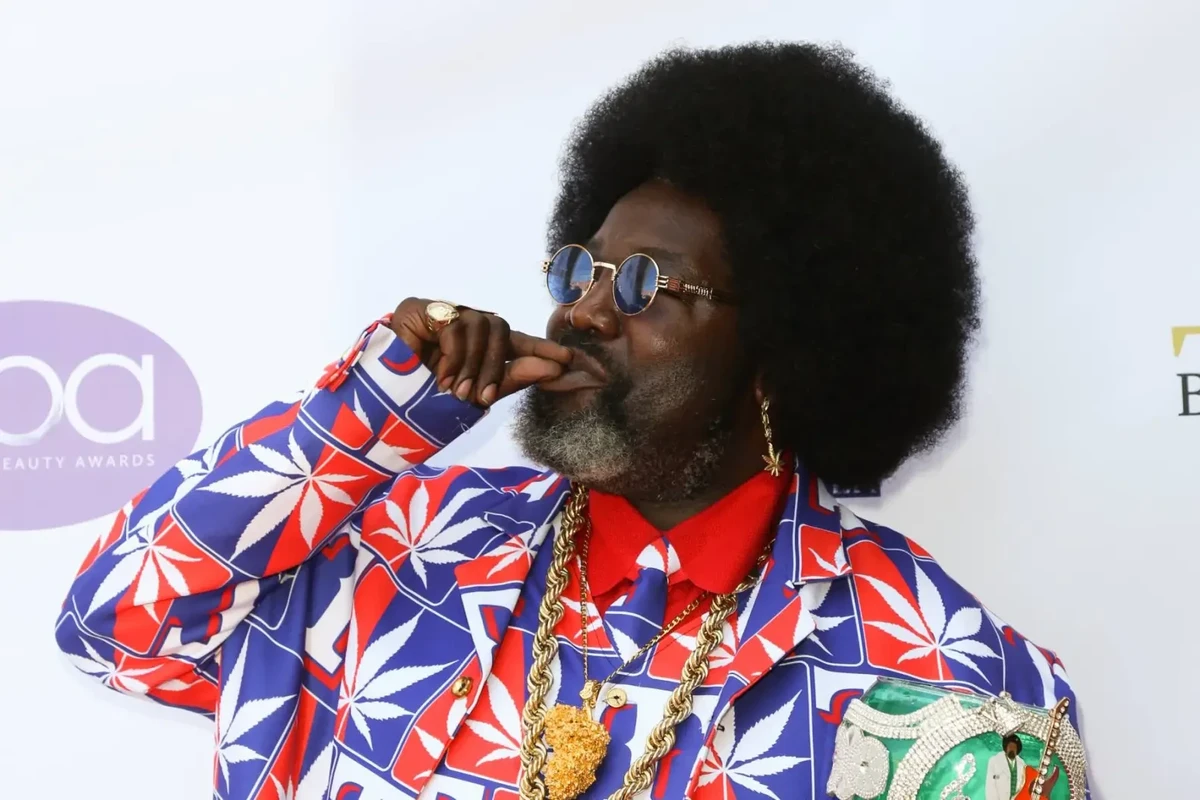
Afroman’s attorney, David Osborne, emphasized that the case was about free speech and musical expression. Pointing to Afroman, who was sporting a suit covered in the American flag, the rapper’s lawyer said: “Does this look like a man who thinks that everybody’s going to assume that everything he’s saying is fact?”
In his own testimony, Afroman said, “The whole raid was a mistake.” He added, “All of this is their fault. If they hadn’t wrongly raided my house, there would be no lawsuit. I would not know their names. They wouldn’t be on my home surveillance system, and there would be no songs. Nothing.”