
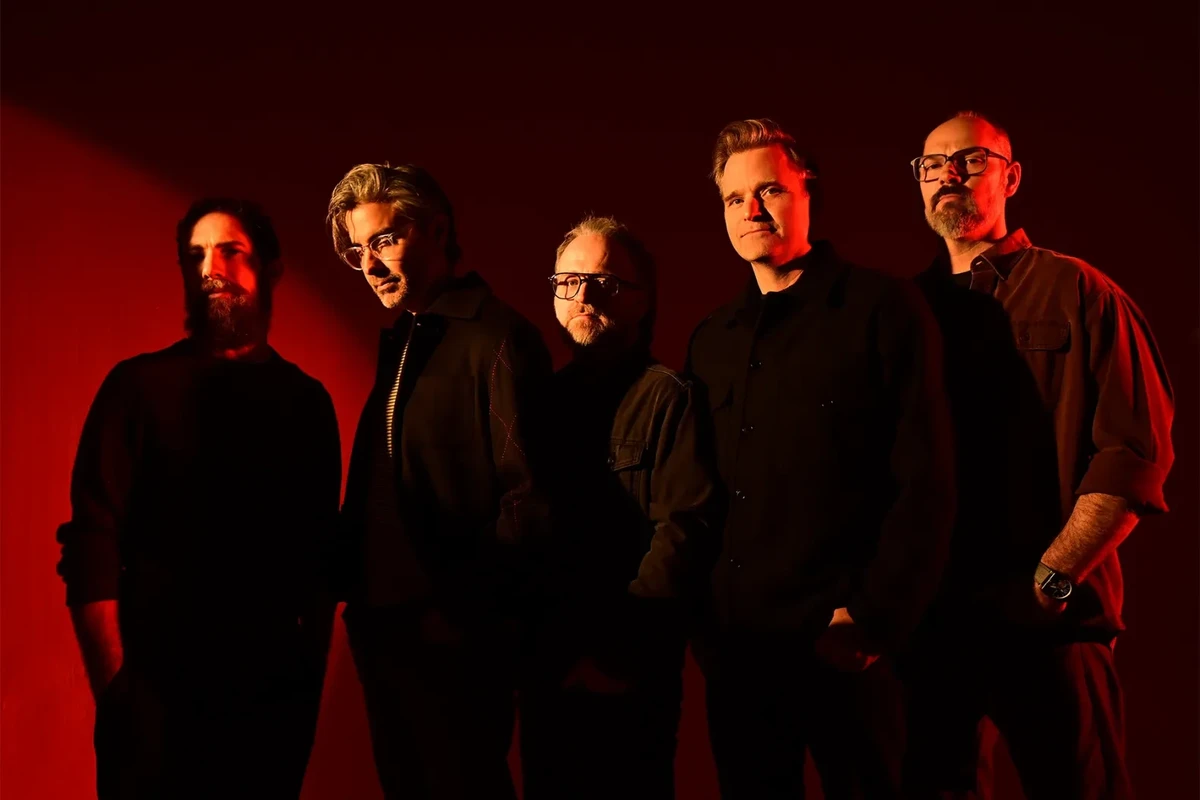

Ben Gibbard was overwhelmed by his memories.
It started a few years ago on the joint anniversary tour that the Postal Service and Death Cab for Cutie put on to celebrate 20 years of Give Up and Transatlanticism. Each night, the frontman would travel back in time, tap into his 26-year-old self and deliver convincing, vulnerable performances. But offstage, Gibbard was finding it difficult to switch back and forth between the past and present as his personal life took a rough turn. The frontman was going through a separation from photographer Rachel Demy, who he married in 2016. By 2024, the couple filed for divorce.
“I was having to do a lot of compartmentalization,” Gibbard, 49, tells Rolling Stone. He’s sitting in the lobby of the Bowery Hotel, with Death Cab guitarist Dave Depper next to him. Gibbard sips on a hot Americano as he lays out the metaphor that helped him cope over the past few years. “I started to just have these visions of my life as a skyline. It’s like you’re looking at it from an aerial. You can see all these different size buildings and they all house different memories,” he says. “The memories of all those people, those times exist in the buildings and you can visit them, you can go open the door and say hello.”
The idea for Death Cab’s 11th studio album, I Built You a Tower was born out of that metaphor. “It’s putting the wonderful memories and the very painful ones into this edifice, trying to lock the door from the outside,” Gibbard says. “It’s like, ‘you stay in there, I can’t have you out of that building,’ but there’s always a moment where they escape … even though you think you’ve made an emotional break from that period or that time, it all kind of comes rushing back.”
With understated, melancholic melodies and gut-wrenching lyrics, I Built You a Tower details the cataclysmic experience of facing the past head-on — and the grief that comes with it. Over the course of 11 tracks, Gibbard and co detail everything from devastating heartbreak to hard-won acceptance, using every memory as a roadmap.
That trajectory becomes apparent on the turning point of the LP, “Stone Over Water,” which is out today ahead of the album’s release on June 5. “I’m trying to hold it together,” Gibbard admits over a quintessentially Death Cab drum beat before realizing, “I can scream and shout / Or learn to live without.”
I Built You a Tower marks Death Cab’s first album since 2022’s Asphalt Meadows. Between releases, the band has experienced pivotal full-circle moments, the pendulum of time pushing them back into the past and informing their future. In 2023, they were on the road for the aforementioned anniversary tours, a Millennial nostalgia dream come true with so much demand that Death Cab extended their run with more dates. A year later, they found themselves leaving Atlantic Records, their major label home for the past two decades.
It almost comes as no surprise, then, that their new record is the first project in years where they’ve managed to tap into the magic of early-aughts records like The Photo Album and Transatlanticism that transformed them from indie darlings into rock icons. “I wanted to recreate the process of how I wrote those early songs,” Gibbard says. “But hopefully with the emotional intelligence and skillset I’ve developed as a songwriter at almost 50.”
While making Asphalt Meadows, Gibbard began digitizing 4-track demo tapes from Death Cab’s early years, uncovering instrumentals from the band’s inception and reminding the frontman of his old writing process. “The songs that have resonated the best over the years have been the ones that are very transparent and emotionally honest and earnest. The times that I’ve gotten away from that have been the songs of the records that haven’t hit the same way,” Gibbard says, making a point to name 2011’s Codes and Keys in particular. At the time, he was living in Los Angeles and married to actress Zooey Deschanel. “I didn’t want to be as transparent and honest out of self-protection,” he admits. “That is by far the least transparent, least emotionally resonant record that I think we ever made.”
But playing an open-hearted record like Transatlanticism to a live audience every night showed Gibbard that Death Cab’s vulnerability has always been their superpower. “It just made me realize that this is the resonant element of the band, this is the reason that there are 18,000 people at Madison Square Garden,” he says.
As Death Cab takes inspiration from their past work, it’s less about a nostalgia grab and more about using the energy behind that early music to revitalize them as a band. “Those anniversary tours really cleared the slate for me,” Depper says, who joined Death Cab in 2015. “We’ve honored the past, but I want to imbue some of those feelings into what we’re doing now.”
One way Death Cab are honoring their past is by returning to an independent label for the first time in more than 20 years. “We initially had plans to do one more record with Atlantic,” Gibbard says. But after a major shake-up at the label forced longtime chairman and COO Julie Greenwald out, they changed courses. “We were like, ‘We need to get the fuck out of here,’’ Gibbard says. Before she left, Greenwald even helped Death Cab get out of a newly minted contract, a move that he points to as “a true testament to her and her dedication to this band, in the midst of her losing her job, she was willing to do what it took.”
I Built You a Tower will be released under ANTI Records, Epitaph’s sister label. For Death Cab, the return to an indie is a homecoming of sorts. “It felt so refreshing to be back in a room with people that were culturally of our world,” Gibbard says, recalling the first meeting with Epitaph owner Brett Gurewitz and former head of A&R Alison Crutchfield. “I can really count on one hand in the 20 years at Atlantic the number of people that we felt we had some true similar musical vocabulary” he adds, “It feels like we’ve landed back in a place that we feel very comfortable at.”
Depper agrees. “It comes at a great time for us, like having sort of a tabula rasa moment after those anniversary tours,” he says. “I’m sure we would have made a great album with Atlantic again, but having this prism to focus this energy through in terms of releasing it, it just feels completely right.”
Nearly 30 years after their inception, it’s clear Death Cab have hit a whole new stride, proving time and time again the power of their resonant indie rock. But this fate never felt like it was in the cards for the band. Back in 2005, in an interview for the band’s Plans record following their mainstream rise, Gibbard told Rolling Stone, “I don’t think I’m a pessimist for saying that I know for a fact that this band is not going to last forever and I’m probably not going to be as successful doing music as I am now in 20 years. That’s the reality and I’d rather acknowledge it than dread it.”
Gibbard isn’t surprised to hear that what he calls his “fatalist nature” was alive and well decades ago. “I would rather prepare for the worst… I probably would give you a very similar answer now,” he says with a laugh. Death Cab bassist Nick Harmer has even coined the term “Gibbard’s wager” to describe the frontman’s betting style. Gibbard explains: “When the Seattle Mariners were in the playoffs, I would bet on them to lose and then if they win, I would lose money, but I’m happy, right? And if they lose, as I think they’re going to do, I make money, right?”
“I, for one, am delighted you were wrong,” Depper chimes in, raising his eyebrows.
At this point, the coffee that remains in their cups has gone cold, and our time is almost up. Gibbard relents.
“I never would have seen this. There’s no fucking world that I think this would be my life,” he says. “The longer I get to do this, the more grateful I am and the more locked in and the more focused I am. More than ever in my life, I feel the utmost responsibility to the catalog, to the fans, to make sure that we’re not fucking around.”
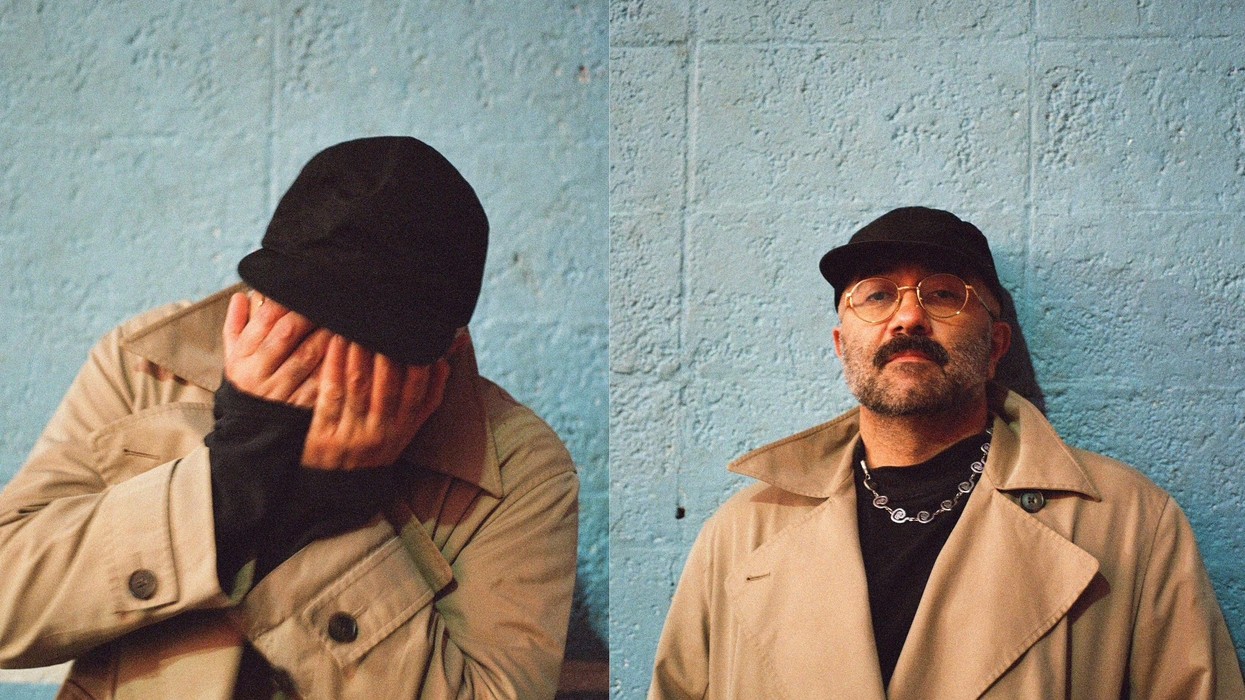


 Abe Vigoda on drumhead Michael Buckner
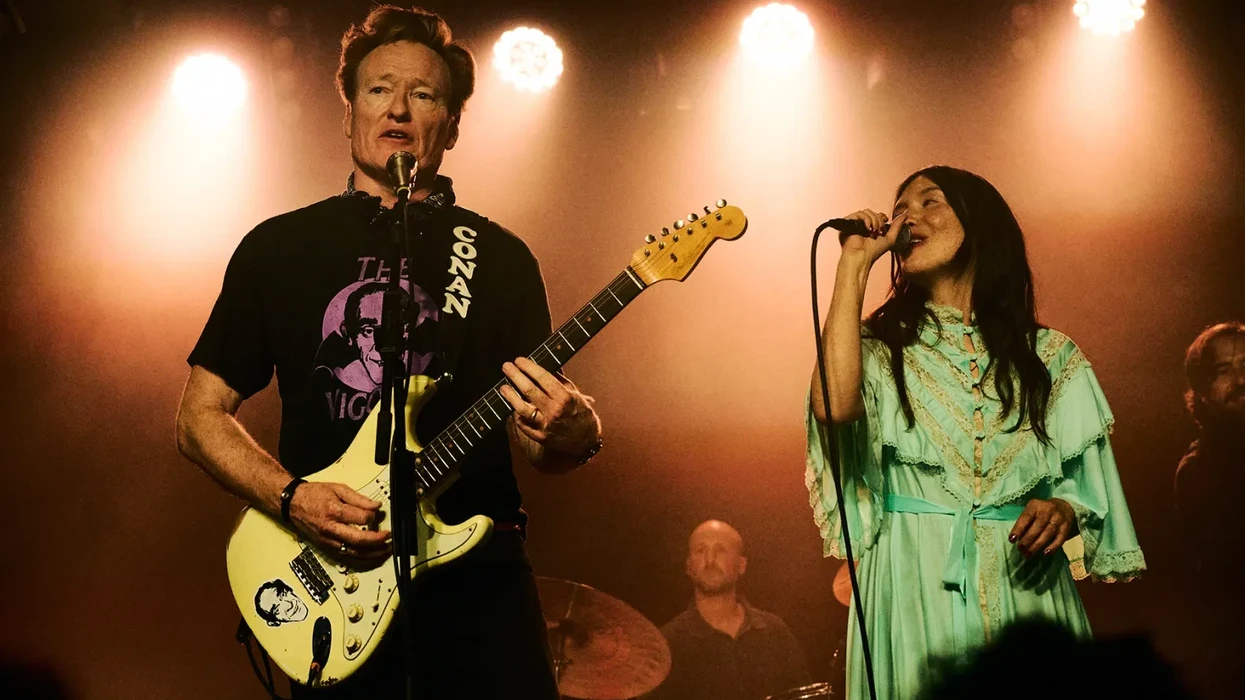
 Conan O’Brien and Gaby Moreno perform during the Vigodas show at Teragram Ballroom on Nov. 6, 2026 in Los Angeles. Michael Buckner
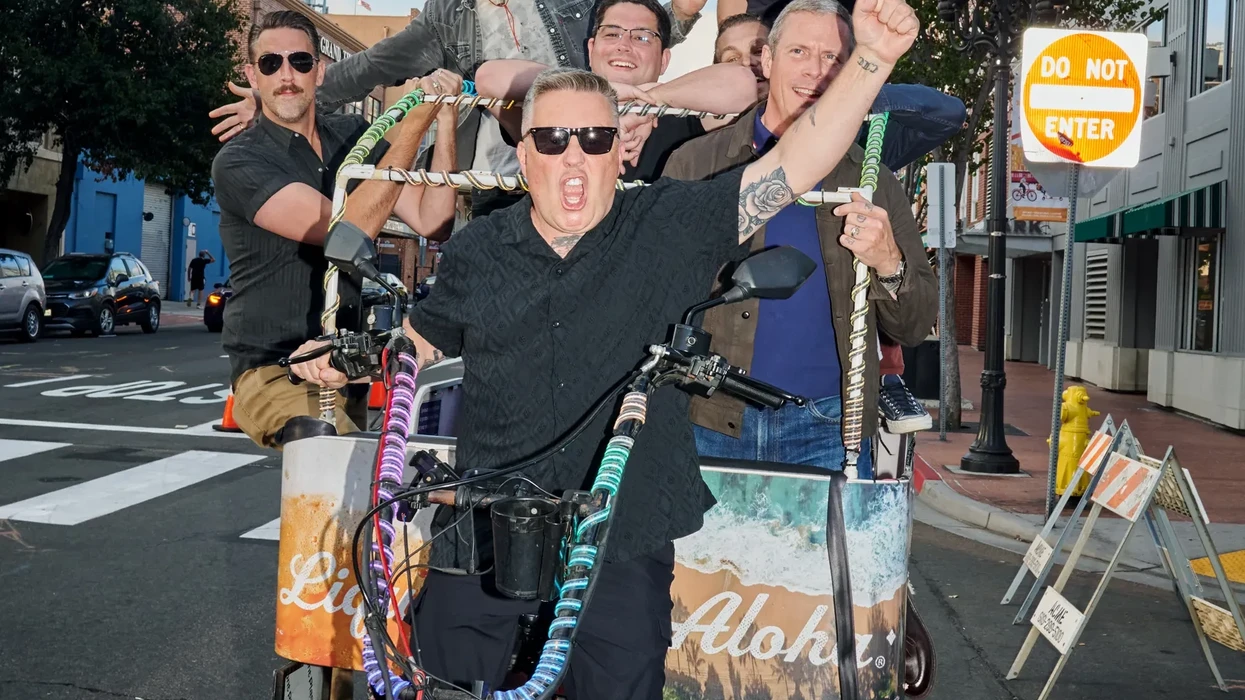
 Ken Casey stuck around after the show in San Diego, California, talking to members of the International Brotherhood of Electrical Workers.John Francis Peters for Rolling Stone
 Some of the challenge-coin haul.
 The band started as a bet. “My band has a show in three weeks,” Casey’s coworker told him in 1996. “I dare you to open for us.”John Francis Peters for Rolling Stone
 Dropkick Murphys (from left): Casey, DaRosa, Webster, Kelly, Rheault, Brennan, and Lynch John Francis Peters for Rolling Stone
 Casey is largely the voice of the band, but the other members back him up. “We’re so lucky he’s the mouthpiece,” says Brennan, left. John Francis Peters for Rolling Stone
 “Only the Irish can take a song about death and destruction, famine, alcoholism, and raise a glass like it’s an anthem,” says Casey. John Francis Peters for Rolling Stone
 “Anytime it feels like things are about to plateau for us, something gives us a little bump,” says guitarist Lynch. “It feels exciting. It feels dangerous. It feels like doing something.” John Francis Peters for Rolling Stone
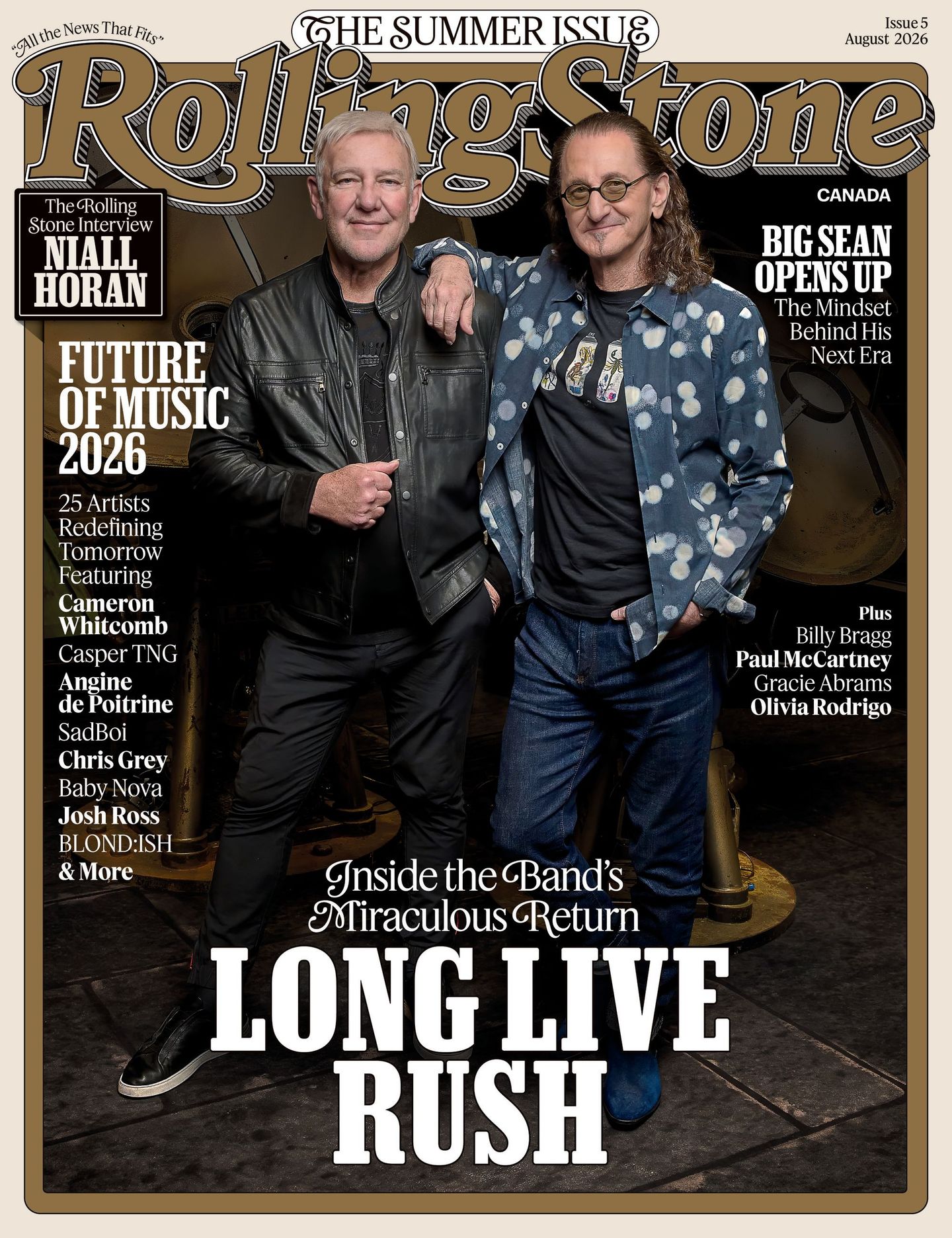
Jay-Z performing at the Stade de France in Saint-Denis in Paris.
Jay-Z Deserves the Super Bowl Halftime Gig
Where’s the love? Jay-Z asked that question 25 years ago, in the chorus of one of many songs in his catalog that still move audiences today. If he performs “Heart of the City” as part of his Super Bowl halftime show next February, those indignant bars are sure to be a highlight: “First the Fat Boys break up, now every day I wake up, somebody got a problem with Hov…” It would be an appropriate choice, too — because then as now, any time Jay-Z notches a new achievement, people find a way to complain.
The jokes and nonsense started almost as soon as the first rumors trickled out that Jay, whose company Roc Nation has executive-produced the Super Bowl halftime show since 2019, might be choosing himself to headline next year’s show. “Jay-Z just Dick Cheney’d himself for the Super Bowl,” Puck‘s Matthew Belloni quipped on X last week, alluding to the time that the late prince of darkness, who’d been asked to run the vice-presidential search committee for George W. Bush’s 2000 campaign, put himself on the ticket. (Super hip and current reference, and not at all apples-and-oranges.) Others pointed to TMZ reports that pop stars like Harry Styles and Justin Bieber had been asked first. “How are they the frontrunners, and he end up in the front?” Cam’Ron, who’s delighted in trolling Jay for many years, wondered aloud on his podcast. “Out of all the people on the roster, they couldn’t pick nobody else?” asked Cam’Ron‘s co-host, Ma$e.
These critiques miss the point, which is that Jay-Z is one of the best choices for a high-profile gig like this. He’s a superstar with a comparable level of name recognition to any other A-lister in music. He has a deep stack of classic songs going back decades. And he’s a highly skillful live performer who knows his way around a stadium stage, as he’s spent this year reminding people on his Jay-Z 30 tour. He tore down Yankee Stadium three nights in a row this summer; just last week, he rocked SoFi Stadium, which happens to be the same place where the 2027 Super Bowl is being held. He held the crowd’s attention with ease at all of those shows, and though there were plenty of glittery guests — that’s a given at a Jay show, and it will surely be true at the Super Bowl, too — he did it mostly through the force of his own magnetic energy. Let’s state the obvious here: Jay-Z is really, really good at rapping. We’re talking about one of the slickest, sharpest talkers in the history of words, someone who made it to the top through a sustained act of myth-making, then kept going. Are we seriously asking whether he can handle a 15-minute televised performance?
And yeah, there’s a touch of self-congratulation in the way he appointed himself. So what? Praising his own gifts is arguably Jay-Z’s greatest talent of all. He made a fine art out of self-applause. He told his story again and again, retracing the steps from Marcy Projects to the corner suite, and he made us believe. It would almost be insulting to the audience if he didn’t give himself the gig at some point.
Pop culture observers in recent years surely remember the backlash to Super Bowl headliners like Kendrick Lamar and Bad Bunny — all of it at least culturally conservative, and much of it frankly just racist. The blowback to Jay’s announcement is mostly coming from other quarters, at least for now (let’s just wait to see what the right-wing swamps make of this one). But it’s disappointing in a different way. Jay-Z has spent his career expounding hip-hop as a mainstream commercial force. He’s not a businessman, he’s a business, man. But he’s also an artist. He’s made huge amounts of money, and gotten himself into the rarefied rooms where he even has the ability to give himself a gig like this, by spinning his experiences into compelling narrative art, one verse at a time. Let’s not lose sight of how impressive his life’s work really is. Jay-Z is not some random C-suite bro, and he’s definitely not Dick Cheney. He’s one of the greatest rappers of all time, by any measure. He’s earned that Super Bowl spot.